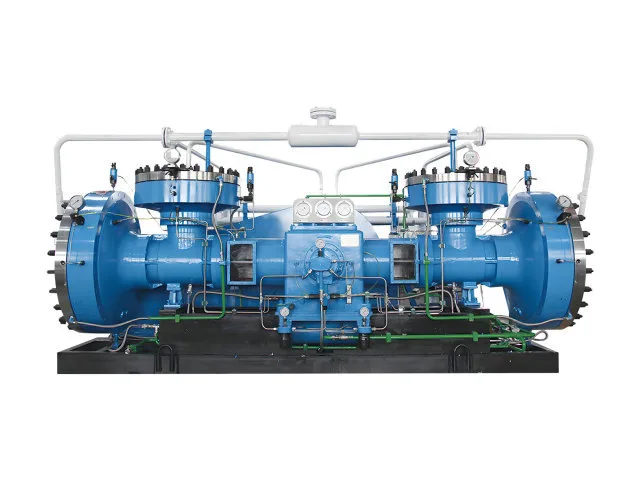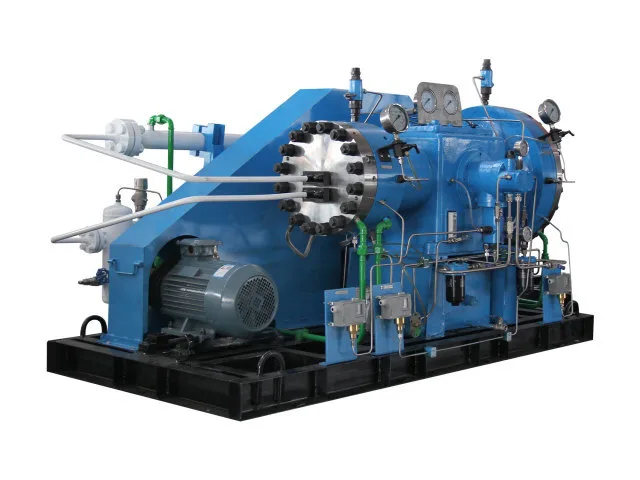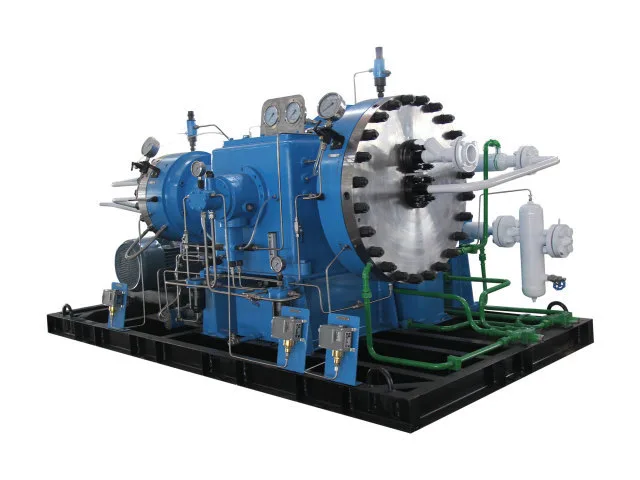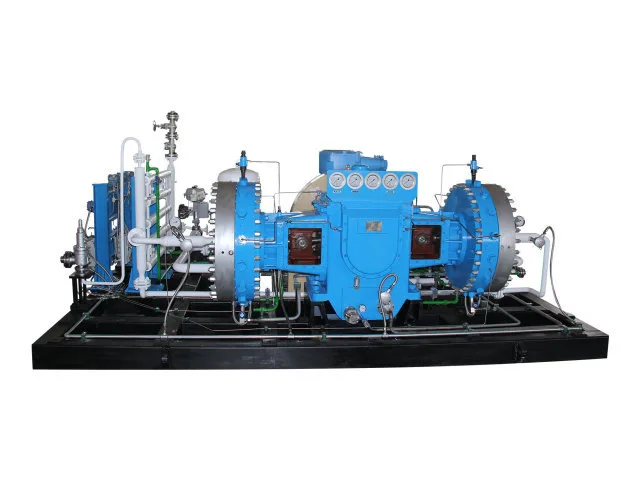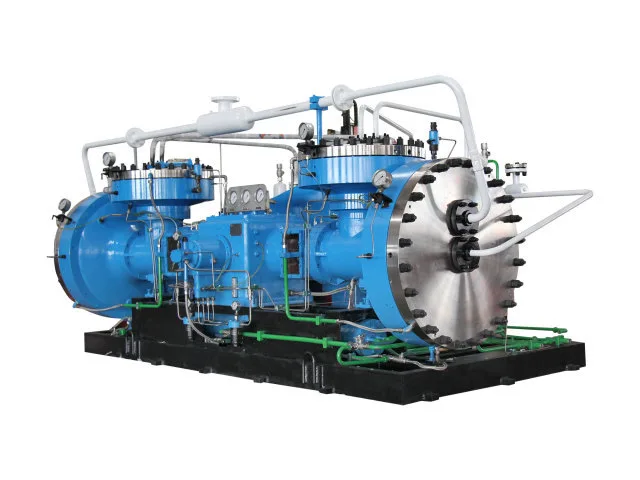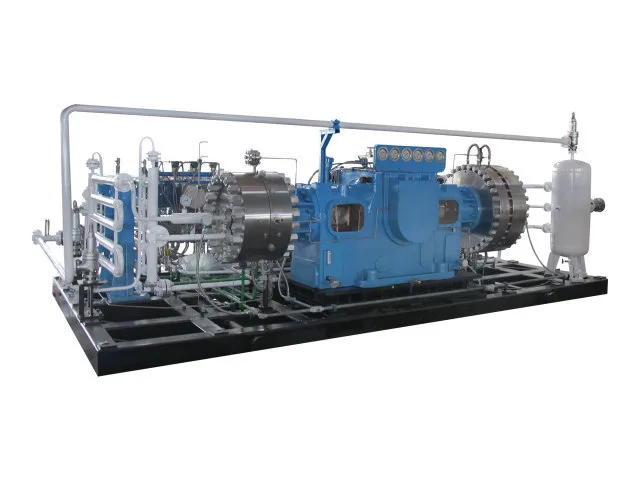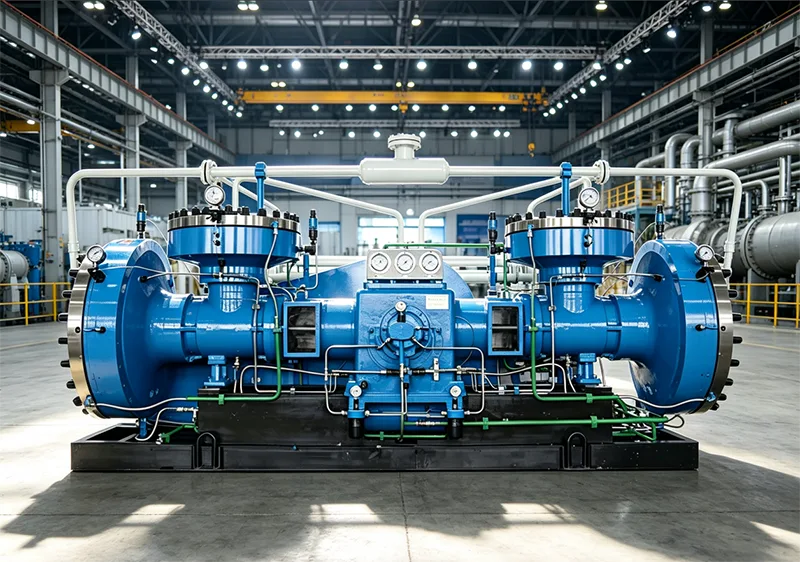
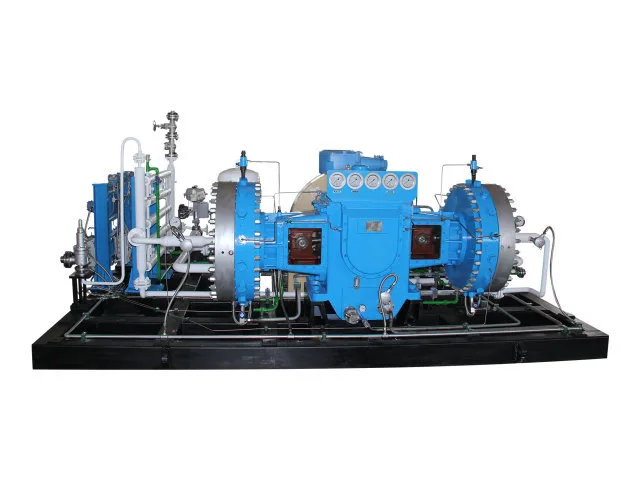
Unlike conventional compression systems where the gas may operate close to lubricated mechanical components, the GD4 Diaphragm Compressor uses hydraulic pressure to drive the diaphragm while keeping the compressed medium inside a sealed gas chamber formed by the diaphragm and cylinder head. This structure makes GD4 suitable for applications where gas contamination, leakage control and medium compatibility must be considered during equipment selection. Jinding configures each compressor based on the intake pressure and temperature, required exhaust pressure, volumetric flow rate, gas composition and specific operating requirements, providing a more application-oriented solution for industrial gas compression projects.
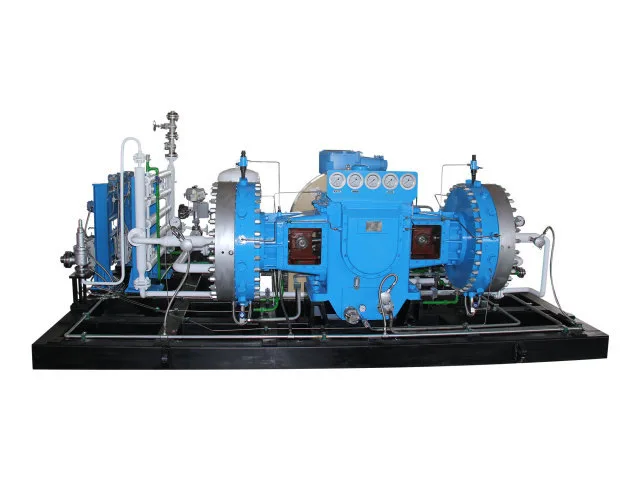
The GD4 Diaphragm Compressor uses a motor-driven mechanical and hydraulic system to generate the movement required for gas compression.
During operation, the electric motor drives the crankshaft through a pulley system. The crankshaft transfers motion through the connecting rod, causing the piston inside the oil cylinder to move in a reciprocating linear motion. As the piston moves, hydraulic oil is displaced and transfers pressure to the diaphragm.
The diaphragm then moves back and forth between the gas side and the hydraulic oil side. Under the action of the suction and discharge valves, each diaphragm cycle completes the gas intake, compression and discharge process.
During the suction stroke, the movement of the diaphragm increases the volume of the gas chamber, allowing the compressed medium to enter through the intake valve. When the diaphragm moves in the opposite direction, the chamber volume decreases and the gas pressure rises. Once the pressure reaches the required discharge condition, the exhaust valve opens and the compressed gas is discharged.
The hydraulic system also includes an oil compensation function. During normal operation, a small amount of oil may return from the oil cylinder to the oil tank through the internal clearance between moving components. The compensating oil pump replenishes the hydraulic oil required for diaphragm movement during the suction process.
The supplied oil volume is slightly greater than the amount lost through normal internal leakage. Excess oil is then returned through the pressure regulating system, helping maintain the required hydraulic conditions during compressor operation.
|
Industry / Application |
Typical Procurement Requirement |
Why GD4 Diaphragm Compressor Is Suitable |
|
Industrial Gas Companies |
Compression and transfer of specialty or high-purity gases |
The diaphragm separates the gas from the hydraulic oil system |
|
Specialty Gas Suppliers |
Controlled compression of rare, valuable or special gases |
Suitable for applications requiring controlled gas handling |
|
Petrochemical Plants |
Compression of process gases with specific safety requirements |
Good sealing performance for selected industrial gas applications |
|
Chemical Manufacturers |
Handling gases with different chemical properties |
Equipment configuration can be selected according to the gas medium |
|
Hydrogen and Energy Projects |
Gas compression and pressure handling in dedicated systems |
Suitable for project-based pressure and flow requirements |
|
Pharmaceutical and Food Gas Systems |
Gas handling where contamination control is important |
The process gas does not directly contact lubricating oil |
|
Electronics and High-Purity Gas Users |
Compression of gases requiring high purity control |
Diaphragm structure helps reduce the risk of oil contamination |
|
Aerospace Projects |
Compression of specialty gases for technical applications |
Can be configured according to specific operating conditions |
|
Nuclear and Research Facilities |
Controlled handling of special and high-value gases |
Sealed compression chamber and diaphragm separation structure |
|
Scientific Research Institutions |
Gas compression for experimental and technical systems |
Suitable for projects requiring customized operating parameters |
|
Gas Cylinder Filling Projects |
Compression before storage or filling |
Can be configured according to required pressure and flow conditions |
|
Engineering Contractors and EPC Buyers |
Compressor selection for industrial gas projects |
Technical configuration can be based on project operating data |
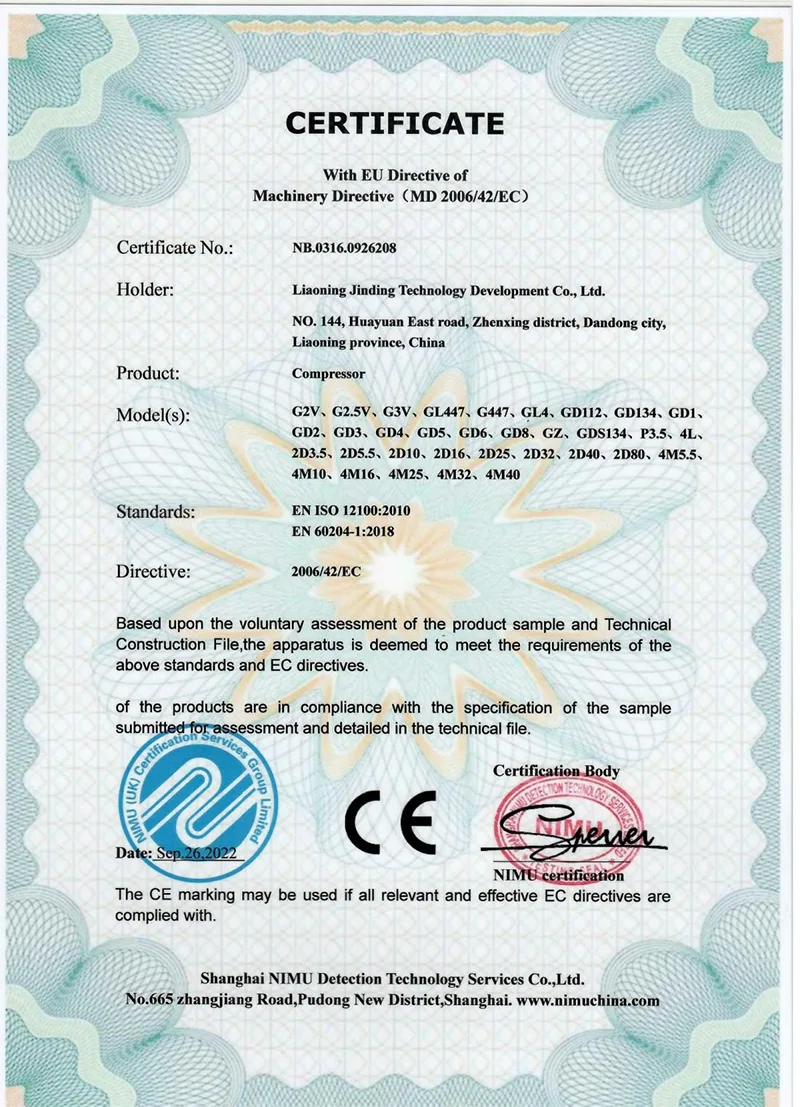
The GD4 Diaphragm Compressor is supplied with applicable product compliance considerations for international markets. CE certification is part of Jinding's qualification and certification system for products and projects requiring relevant market access documentation.
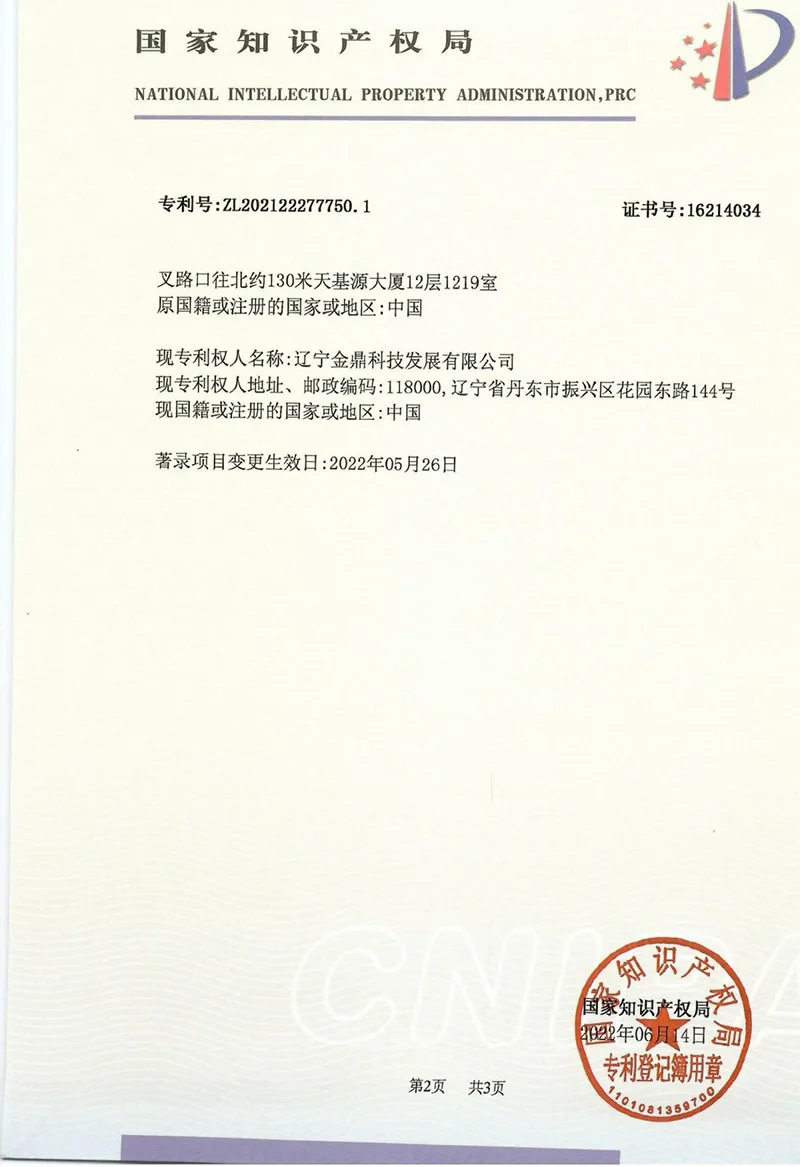
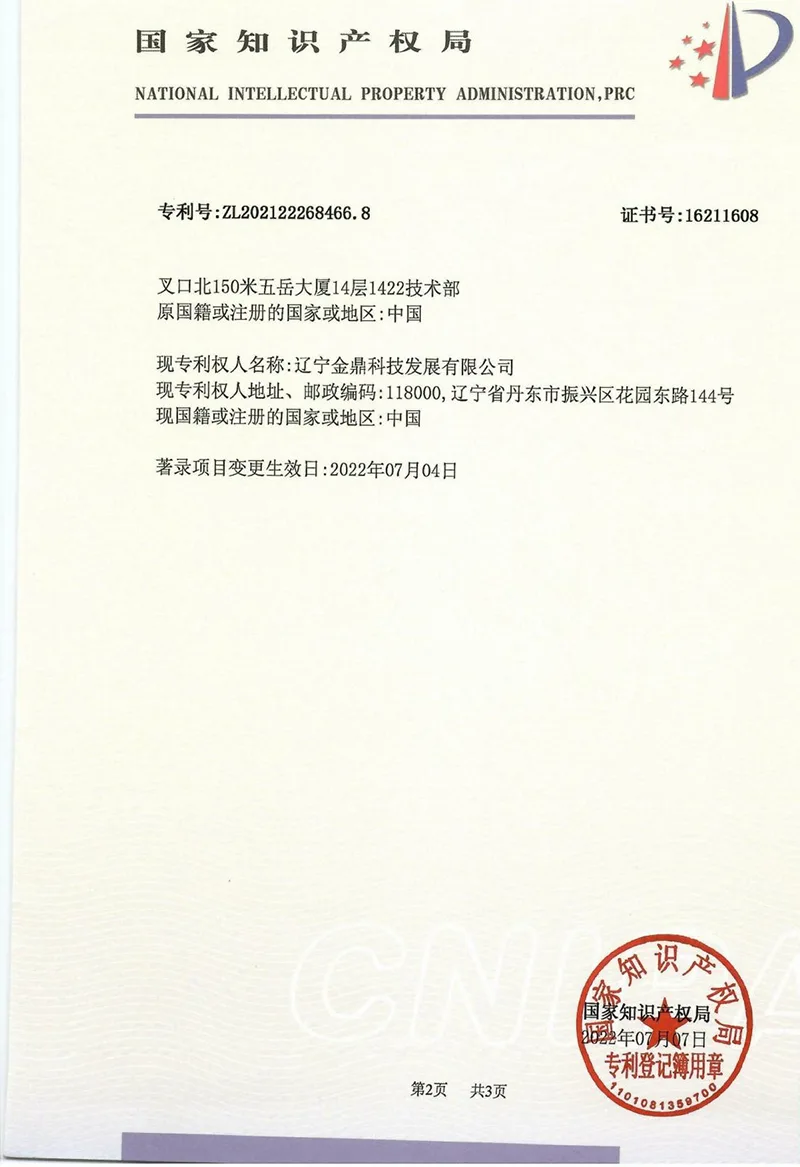
Jinding has developed compressor and equipment technologies supported by patented technical achievements. Continuous product development and engineering experience contribute to the design and manufacturing of diaphragm compression equipment for different industrial gas applications.
Technical development is integrated with equipment manufacturing and project requirements, allowing compressor configurations to be developed around actual operating conditions rather than relying only on standardized specifications.
Jinding holds a Five-Star After-Sales Service Certification, reflecting its established service system for industrial equipment customers.
Technical support can include equipment selection, engineering consultation, installation and commissioning guidance, operation and maintenance training, remote support, on-site technical service, inspection, maintenance, repair and spare parts support according to project and service requirements.
For industrial buyers, compressor procurement is not only about the equipment itself. Technical support throughout installation and operation can also affect long-term project performance. Jinding provides service support throughout the equipment lifecycle according to the applicable product and contract terms.

The GD4 Series can be configured for high-purity gases, inert gases, flammable and explosive gases, toxic gases and other special gases. The suitability of a specific compressor configuration depends on the properties of the compressed medium and the operating conditions.
No direct contact occurs between the process gas and the hydraulic oil system inside the compression chamber. The diaphragm separates the compressed medium from the oil side of the compressor.
Customers should provide the compressed medium, intake pressure, intake temperature, required discharge pressure and required volumetric flow rate. For special gases, information about gas composition and relevant physical and chemical properties should also be provided.
The motor drives the crankshaft and piston system, which generates hydraulic pressure inside the oil cylinder. The hydraulic pressure moves the diaphragm back and forth, completing repeated gas intake, compression and discharge cycles through the suction and exhaust valves.
The standard cooling method specified for this configuration is circulating water cooling. The final cooling arrangement should be confirmed according to the selected compressor and project requirements.
The specified working voltage is 380V. Electrical requirements can be confirmed during technical selection for projects with different installation conditions.
The GD4 Series can be configured for flammable, explosive, toxic and other special gases. However, the compressed medium and its properties should be provided before equipment selection so that the compressor configuration can be evaluated for the intended application.
Address
No. 21, Hengtong Road, Tongchi Town, Zhenxing District, Dandong City, Liaoning Province
Tel