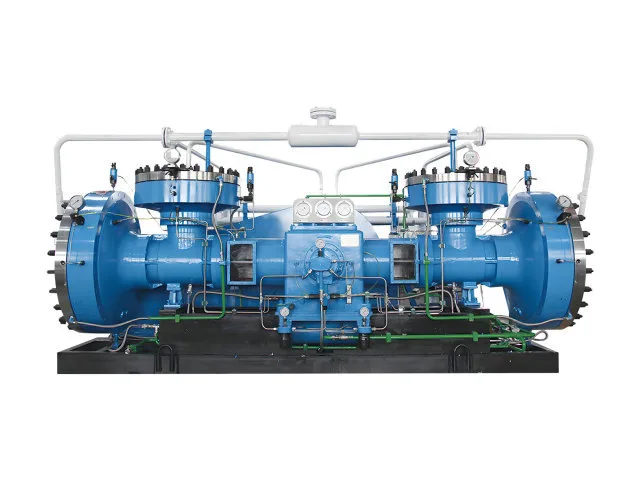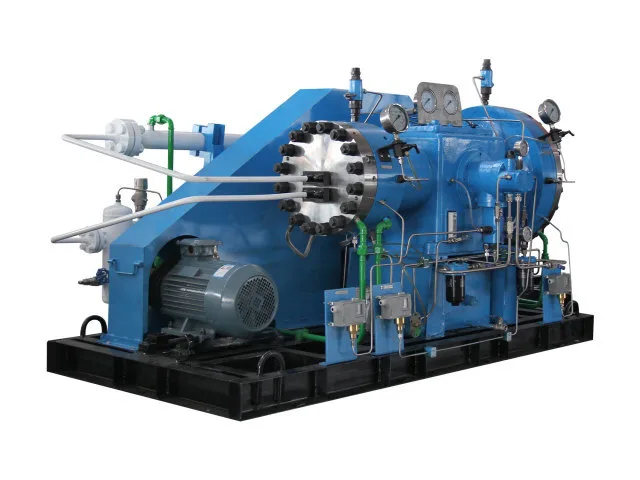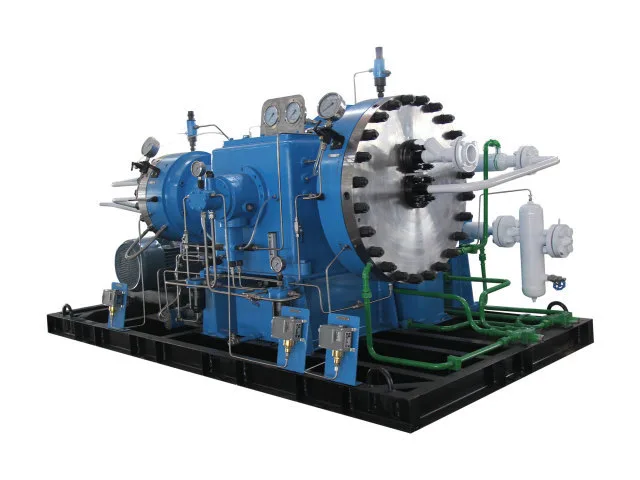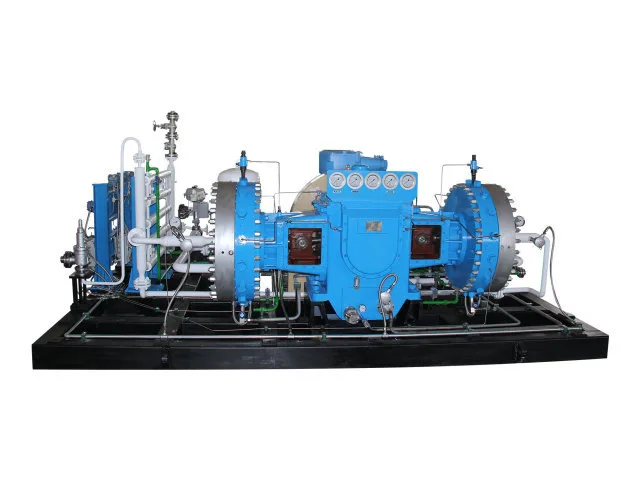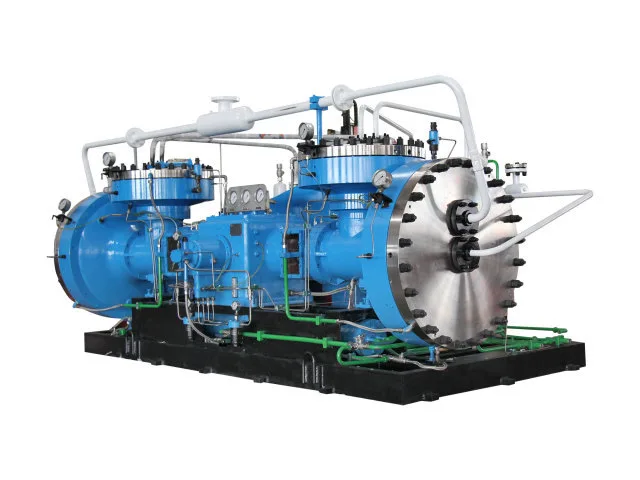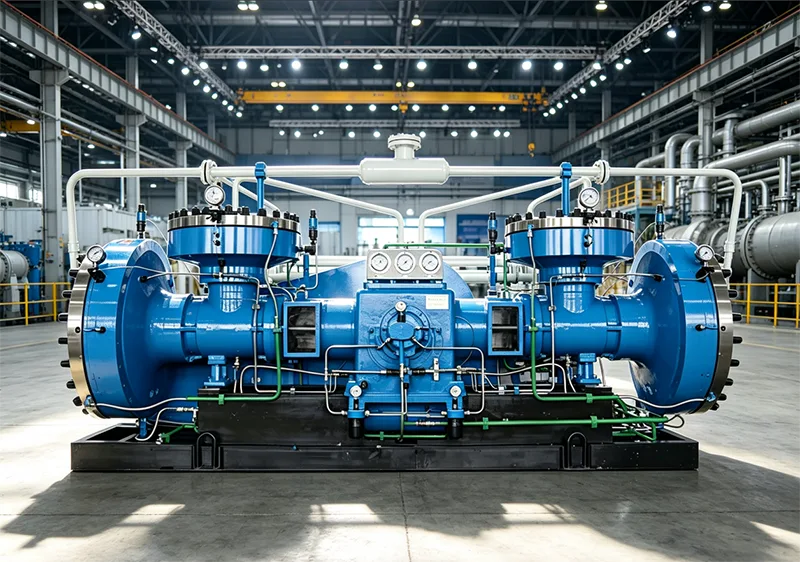
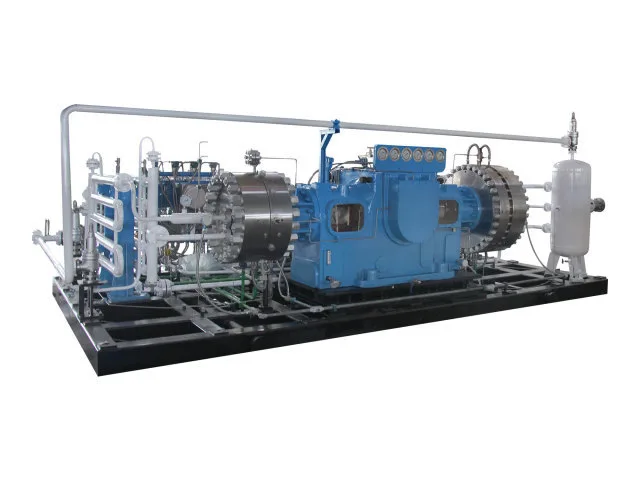
The GD6 Diaphragm Compressor combines reciprocating mechanical drive with hydraulic diaphragm compression to handle gases that require greater control over contamination and sealing. During operation, the gas remains inside a closed compression chamber formed by the diaphragm and cylinder head, while the driving oil stays on the opposite side of the diaphragm. With circulating water cooling and a standard working voltage of 380V, the compressor can be selected according to intake pressure and temperature, required exhaust pressure, volumetric flow rate, gas composition and project-specific usage requirements.
The electric motor drives the crankshaft through the transmission system. The rotating crankshaft transfers motion through the connecting rod and moves the piston inside the oil cylinder in a reciprocating linear motion.
As the piston moves, hydraulic oil is displaced inside the oil cylinder and pushes the diaphragm. The diaphragm then moves back and forth, changing the volume of the gas chamber without allowing the gas to contact the hydraulic oil.
When the diaphragm moves away from the cylinder head, the volume inside the gas chamber increases. The intake valve opens under the pressure difference and the compressed medium enters the chamber.
The diaphragm then moves toward the cylinder head, reducing the volume of the closed gas chamber. As the available volume decreases, the pressure of the gas rises.
When the gas reaches the required discharge pressure, the exhaust valve opens and the compressed gas is released from the chamber. The process then repeats continuously.
During operation, a small amount of hydraulic oil may pass through normal internal clearances and return to the oil tank. The compensating oil pump replenishes the required oil volume during the suction process. Excess oil is controlled through the pressure regulating system and returned to the crankcase, helping maintain the hydraulic conditions required for diaphragm movement.
For specialty gases, maintaining gas purity during compression can be as important as achieving the required pressure. The GD6 uses a diaphragm to separate the gas chamber from the hydraulic drive system.
The compressed medium remains within the sealed gas chamber and does not directly contact the hydraulic oil or lubricated mechanical drive components during normal operation. This design helps reduce the risk of oil contamination and supports applications involving high-purity gases, rare or valuable gases, and other media with strict cleanliness requirements.
The diaphragm and cylinder head form the main compression chamber, maintaining separation between the gas path and the hydraulic system during normal operation. Actual containment performance depends on the equipment configuration, sealing design and specified operating conditions.
The GD6 uses a reciprocating diaphragm mechanism to compress gas while keeping the process medium separate from the hydraulic system. Its suitability for a particular application depends on the required inlet and discharge conditions, rather than on pressure capability alone.
Key selection parameters include inlet pressure, inlet temperature, required discharge pressure and volumetric flow rate. Gas composition and chemical properties must also be considered, as they influence material compatibility, sealing requirements and equipment configuration.
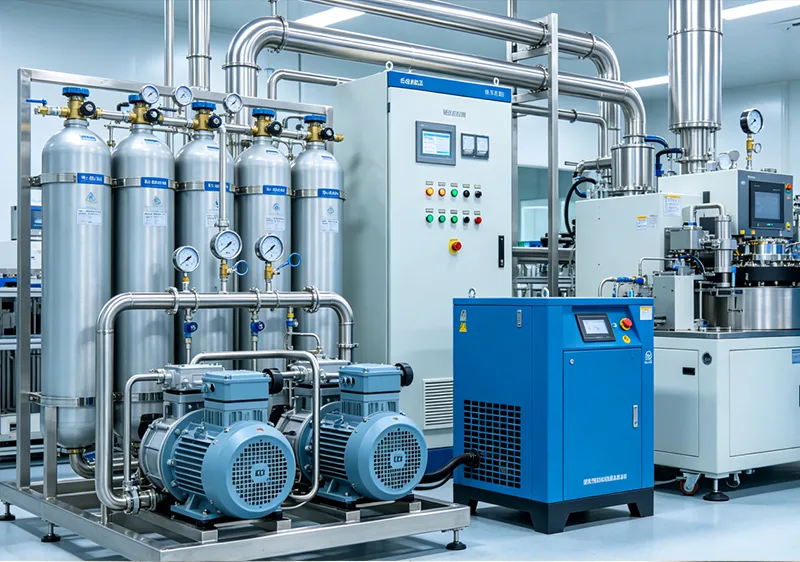
Typical application media may include high-purity gases, inert gases, flammable or explosive gases, toxic gases, corrosive gases and other specialty gases, subject to confirmation of material compatibility and the approved operating conditions.
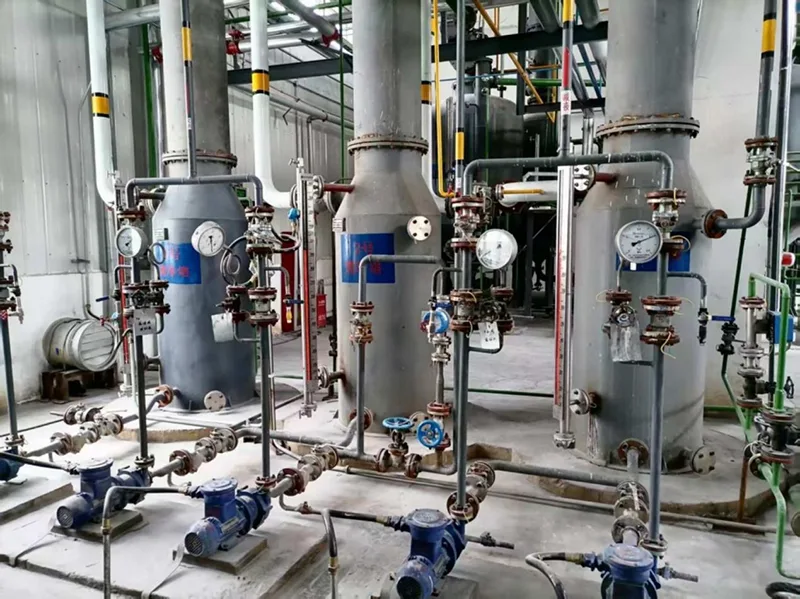
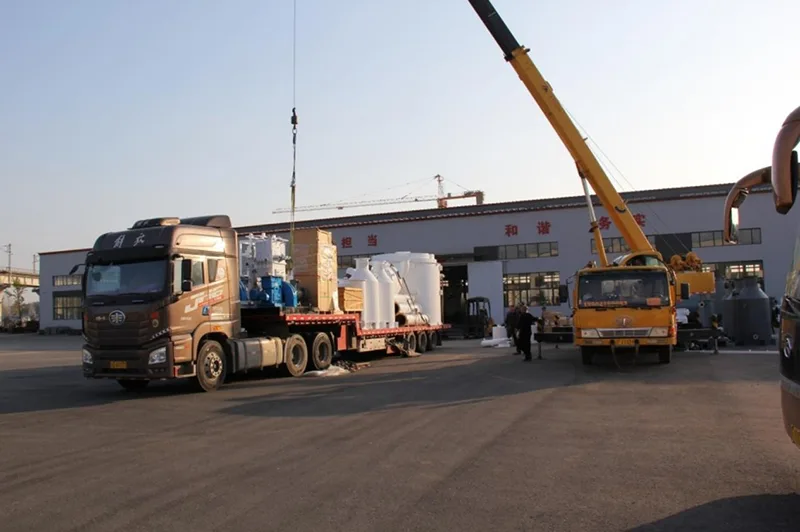
Industrial compressors require appropriate protection during handling and international transportation. The final packaging method for the GD6 Diaphragm Compressor is arranged according to the equipment dimensions, weight, transportation method and destination requirements.
Before shipment, the compressor and related components are prepared for transport and protected according to the agreed packaging requirements. Suitable export packaging can be arranged for international delivery, while shipping marks and other project-specific requirements can be confirmed during order processing.
Depending on the destination and project schedule, equipment transportation can be coordinated through suitable logistics arrangements, including sea freight and other applicable shipping methods.
The performance of an industrial diaphragm compressor depends not only on its design, but also on the manufacturing capability behind it. Jinding Technology has focused on industrial compressors and acetylene production equipment since 1995, providing diaphragm compressors, piston compressors and liquid-driven compressors for a wide range of industrial applications.
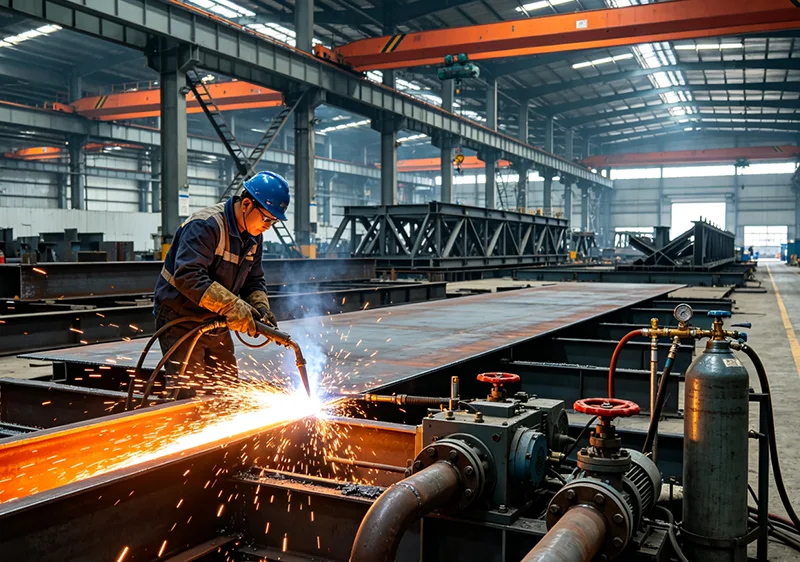
The company's manufacturing base integrates machining, assembly, welding, painting, testing, research and development and customer service. More than 100 sets of machining and testing equipment support the production and inspection process, while dedicated technical personnel provide engineering support throughout equipment selection and project implementation.
Address
No. 21, Hengtong Road, Tongchi Town, Zhenxing District, Dandong City, Liaoning Province
Tel