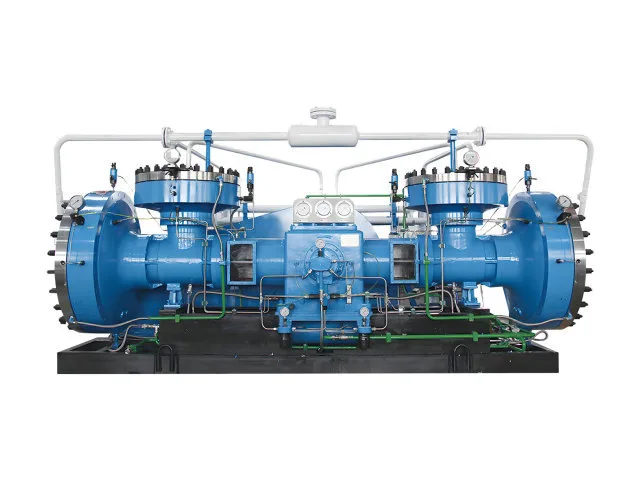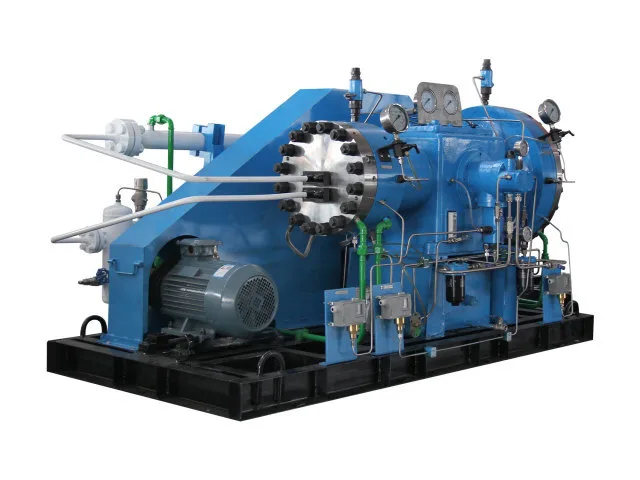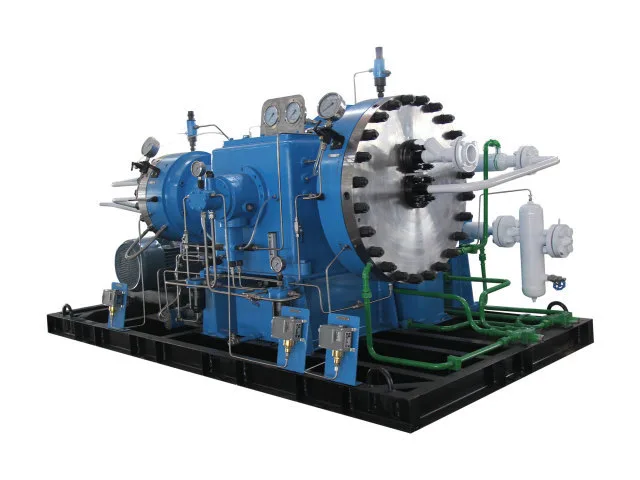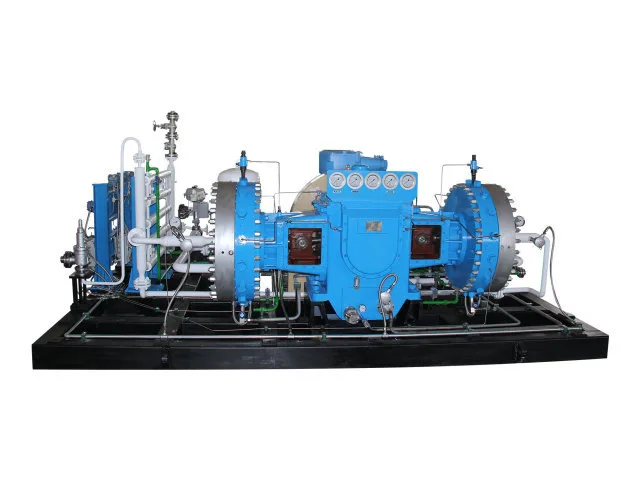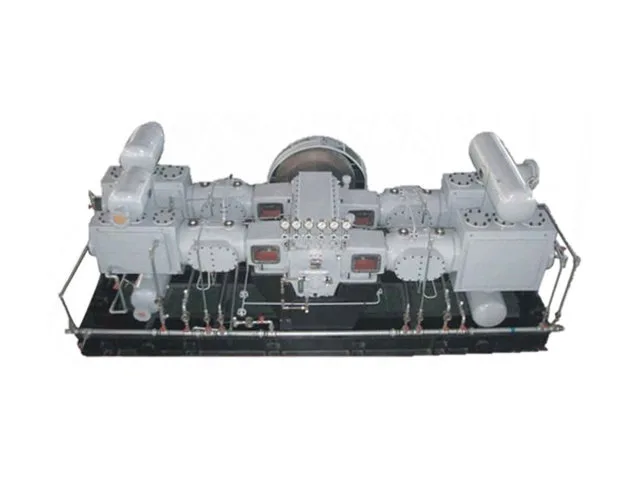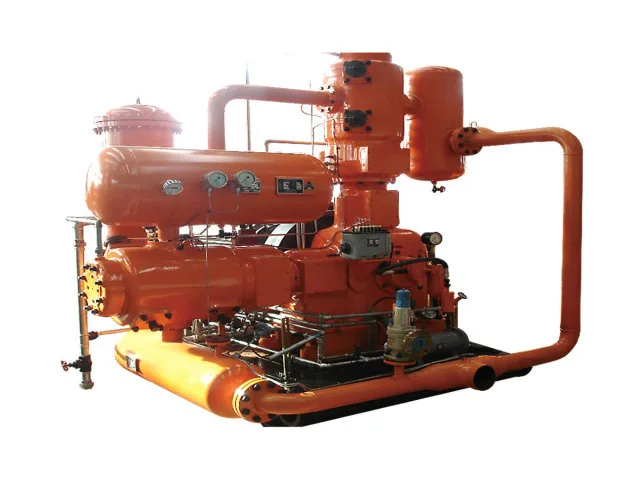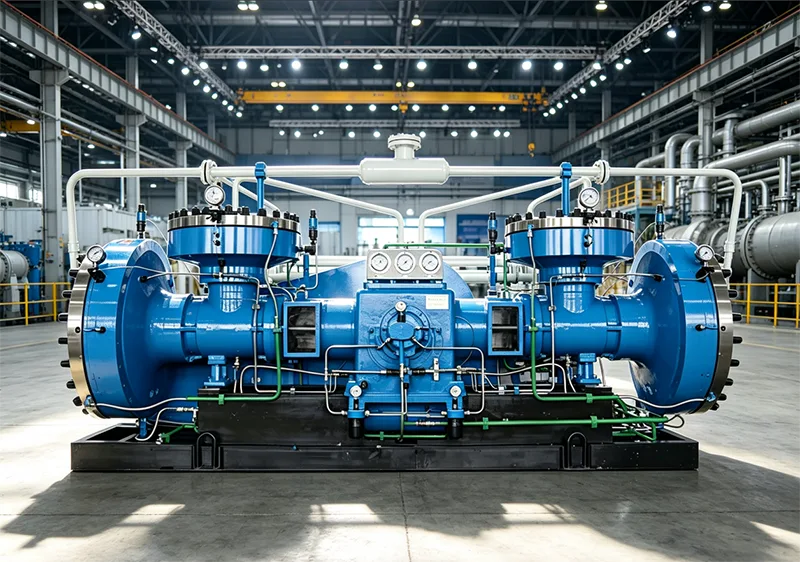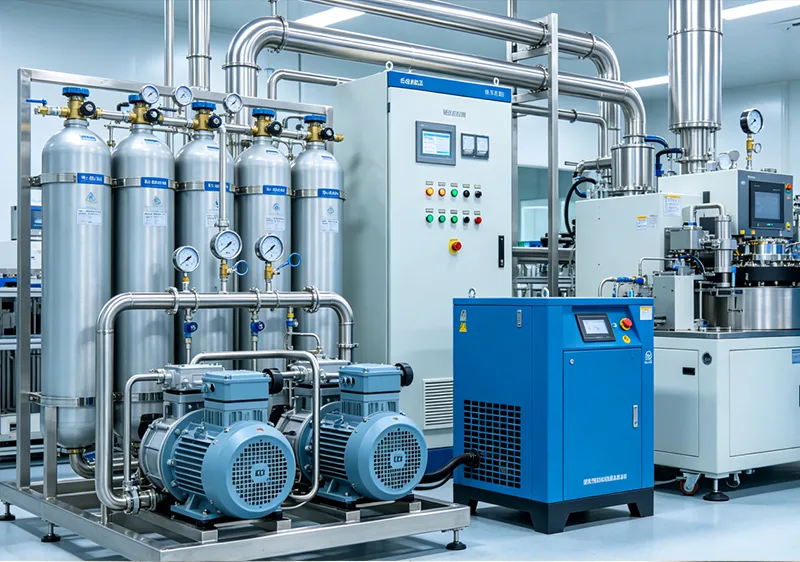
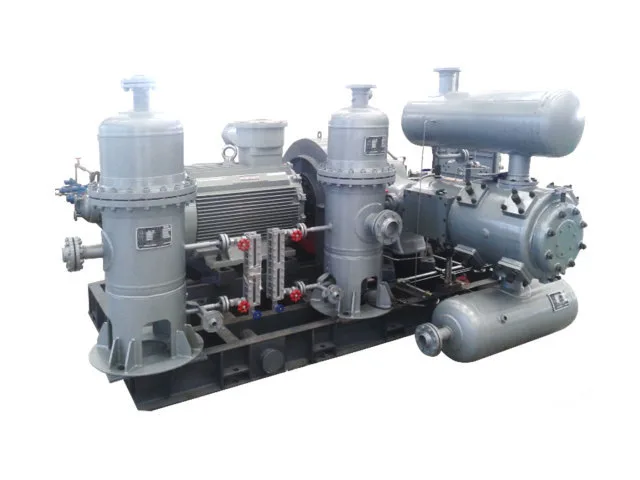
The P Type Piston Compressor is a reciprocating compressor developed for petrochemical and industrial process gas compression. Its mechanical arrangement includes an integral compressor body, a ductile iron crankshaft, forward lubrication technology for the transmission section, and a threaded connection between the piston and crosshead.
The series operates primarily at 420 r/min and supports up to two compression stages. Available models cover different combinations of suction pressure, discharge pressure, and gas capacity, allowing the compressor to be matched to individual process duties rather than treating all gas compression applications as the same.
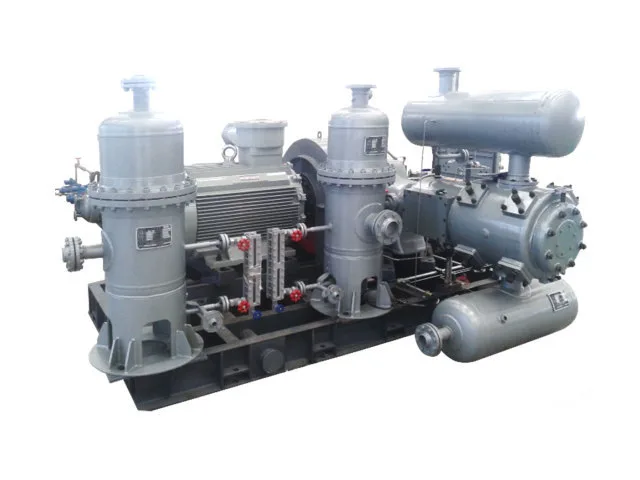
The P Type Piston Compressor is available in configurations with rated driving power from 30 to 90 kW and up to two compression stages. The listed models cover nominal flow rates from 3 to 91.8 Nm³/min, with inlet pressures ranging from 0.05 to 5.0 MPa(G) and outlet pressures from 0.65 to 5.5 MPa(G).
All models listed below feature oil-free cylinder lubrication and a rated speed of 420 r/min. Model selection should be based on the required flow rate, inlet and discharge pressures, gas properties and operating conditions.
|
Model |
Inlet pressure |
Outlet pressure |
Nominal volumetric flow rate |
Cylinder lubrication method |
Power |
Speed |
|
PW-3/0.5-6.5 |
0.05 |
0.65 |
3.0 |
Oil-free |
45 |
420 |
|
PW-57/27-30 |
2.7 |
3.0 |
57 |
Oil-free |
37 |
420 |
|
PW-10/10-25 |
1.0 |
2.5 |
10 |
Oil-free |
45 |
420 |
|
PW-10/2-8 |
0.2 |
0.8 |
10 |
Oil-free |
45 |
420 |
|
PW-4/0.5-7 |
0.05 |
0.7 |
4.0 |
Oil-free |
45 |
420 |
|
PW-6/6-16 |
0.6 |
1.6 |
6.0 |
Oil-free |
45 |
420 |
|
PW-32/8-16 |
0.8 |
1.6 |
32 |
Oil-free |
90 |
420 |
|
P3.5W-7/9-26 |
0.9 |
2.6 |
7.0 |
Oil-free |
37 |
420 |
|
PW-27.5/6.5-8 |
0.65 |
0.8 |
27.5 |
Oil-free |
30 |
420 |
|
PW-91.8/50-55 |
5.0 |
5.5 |
91.8 |
Oil-free |
55 |
420 |
This P Type Piston Compressor separates the cylinder compression requirement from the lubrication requirements of the main transmission system. While the transmission section uses the required mechanical lubrication arrangement, the cylinder itself is configured for oil-free gas compression.
For purchasers, the main consideration is not simply whether a compressor is described as oil-free. The more important question is whether the cylinder configuration matches the requirements of the gas system.
An oil-free cylinder configuration may be considered where the process requires control over possible oil introduction into the compressed gas stream, particularly when gas cleanliness or downstream processing requirements need to be taken into account.
The P Type Piston Compressor can be selected for different industrial and petrochemical gases. The compressor configuration should always be evaluated according to the characteristics of the actual process medium.
|
Process Gas |
Selection Considerations |
|
Hydrogen |
Gas properties, pressure ratio, required flow, and process conditions |
|
Nitrogen |
Required pressure and capacity within the industrial gas system |
|
Petroleum Gas |
Gas composition and operating pressure conditions |
|
Light Hydrocarbon Gas |
Medium characteristics and process requirements |
|
Ethylene |
Flow demand, pressure conditions, and downstream process requirements |
|
Propylene |
Gas system pressure and operating conditions |
|
Rich Gas |
Gas composition and required compression conditions |
|
Analytical Gas |
Medium characteristics and specific process requirements |
To recommend a suitable P Type Piston Compressor, Jinding generally needs the following information:
1. Compressed gas or gas medium
2. Gas composition, if applicable
3. Suction pressure
4. Suction temperature
5. Required discharge pressure
6. Required gas flow rate
7. Continuous or intermittent operating requirements
8. Downstream process requirements
9. Installation environment
10. Relevant safety or project requirements
For special gases and mixed process gases, information about the physical and chemical properties of the medium can help determine a more suitable compressor configuration.
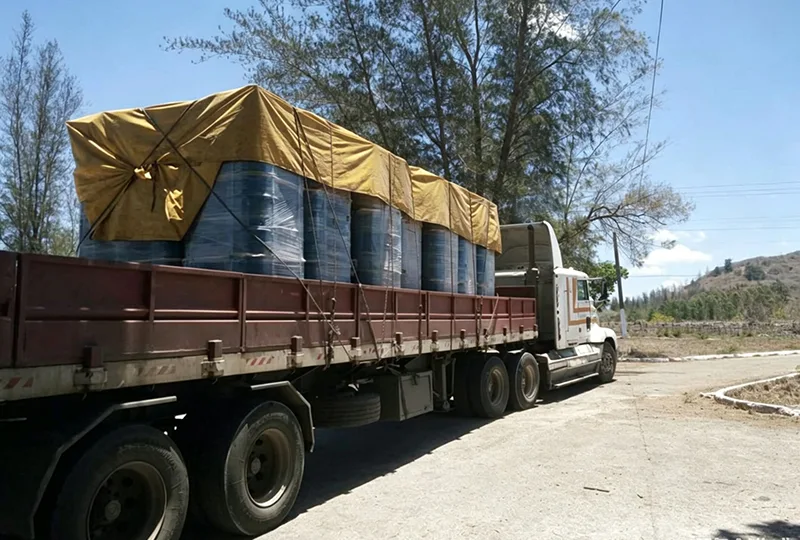
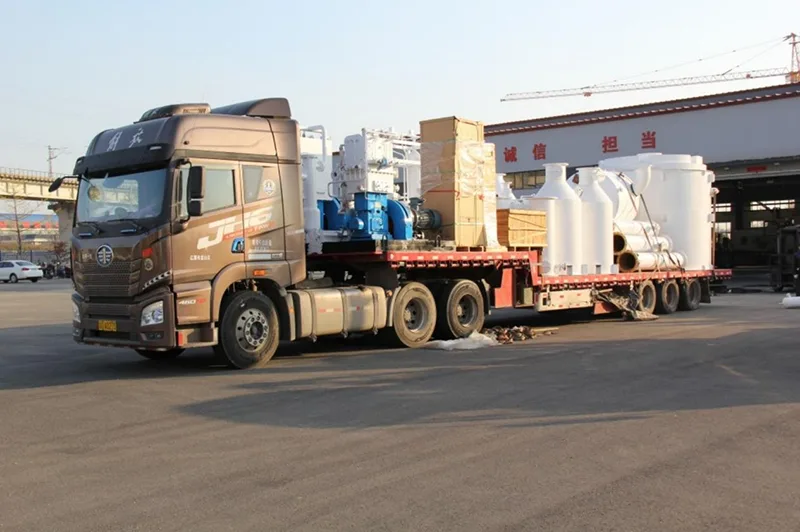
Compressor delivery involves more than preparing the equipment for shipment. Equipment size, packaging requirements, transportation conditions, lifting arrangements, and delivery schedules can all affect the final delivery plan.
Contact Jinding to discuss your compressor requirements and request technical selection support.
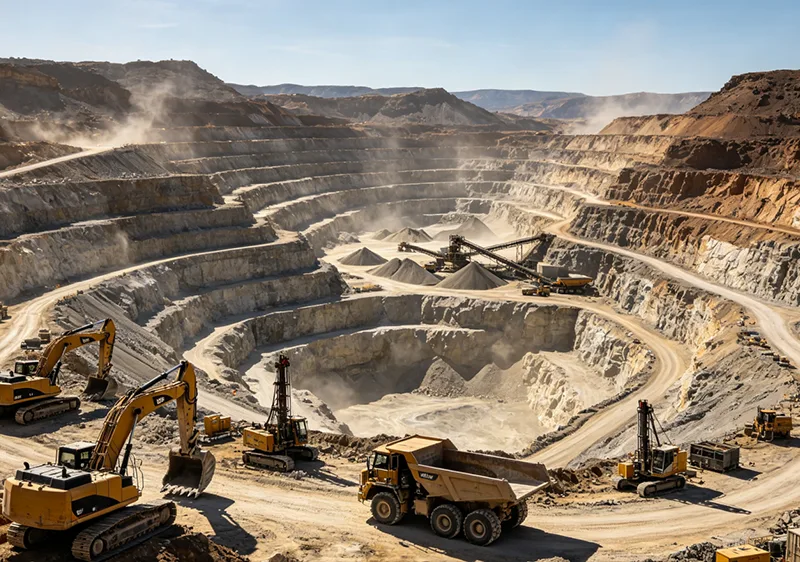
It is designed for industrial gas compression applications, including process gas boosting, gas transfer and supplying compressed gas to downstream equipment.
The listed models cover nominal flow rates from 3 to 91.8 Nm³/min, depending on the selected configuration.
The listed models cover inlet pressures from 0.05 to 5.0 MPa(G) and outlet pressures from 0.65 to 5.5 MPa(G).
Yes. All configurations in the supplied data specify oil-free cylinder lubrication. This does not necessarily mean that every component in the complete machine operates without lubricating oil.
The supplied specifications indicate configurations with up to two compression stages. The exact arrangement depends on the selected model.
Selection depends on the gas composition, required flow rate, inlet pressure, target discharge pressure, operating temperature and duty cycle.
Provide the gas medium, required capacity, inlet and outlet pressures, operating conditions, and any specific material or safety requirements.
Routine maintenance should follow the manufacturer's instructions and may include inspection of valves, piston rings, seals, lubrication systems where applicable, cooling arrangements and connections. Service intervals depend on the operating conditions and equipment configuration.
Address
No. 21, Hengtong Road, Tongchi Town, Zhenxing District, Dandong City, Liaoning Province
Tel