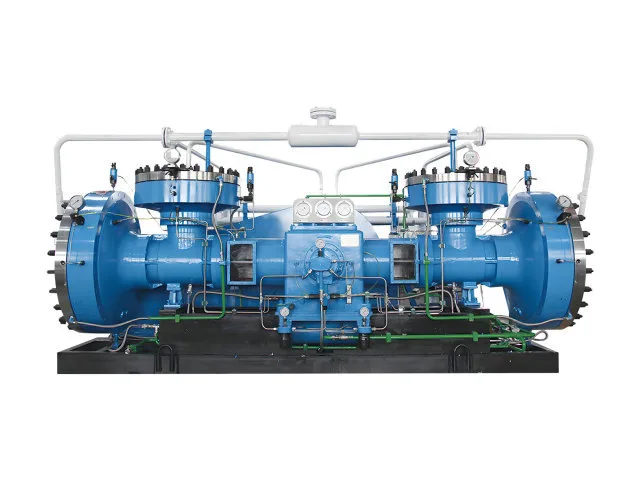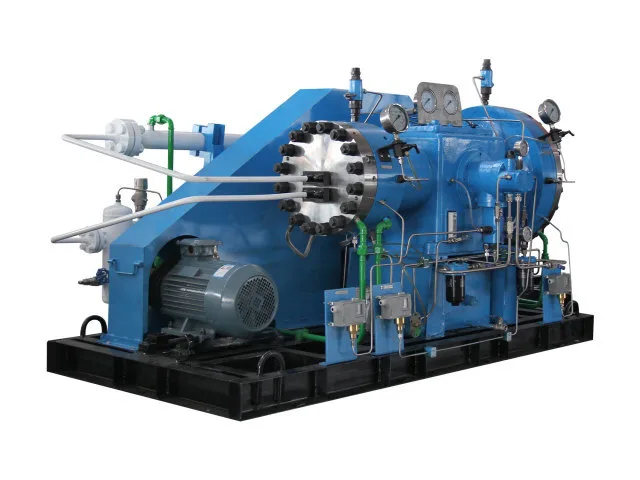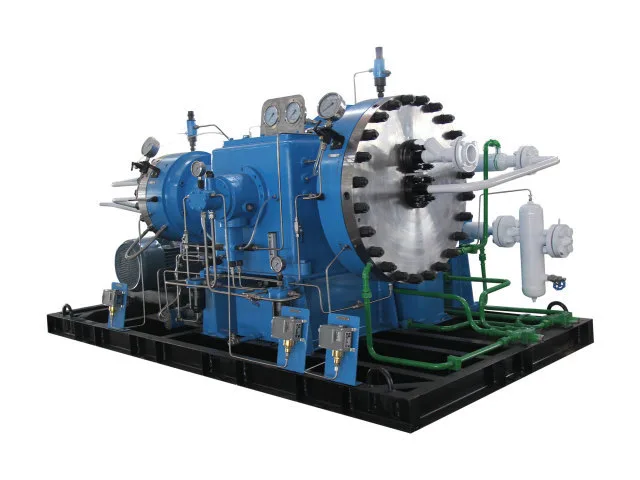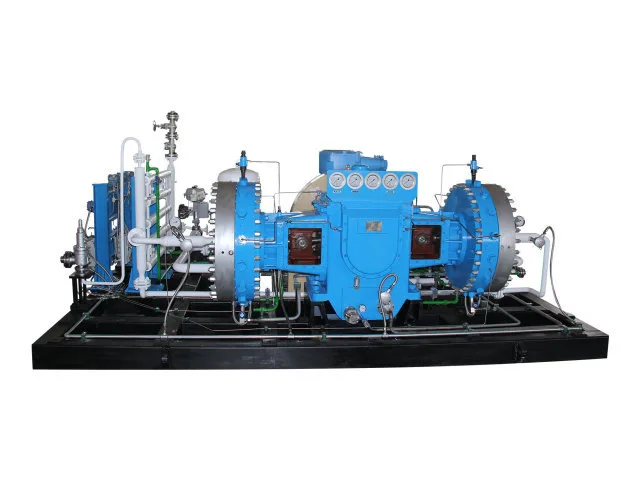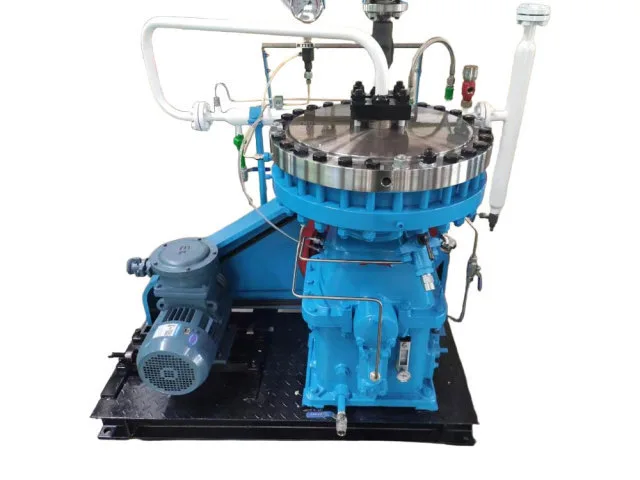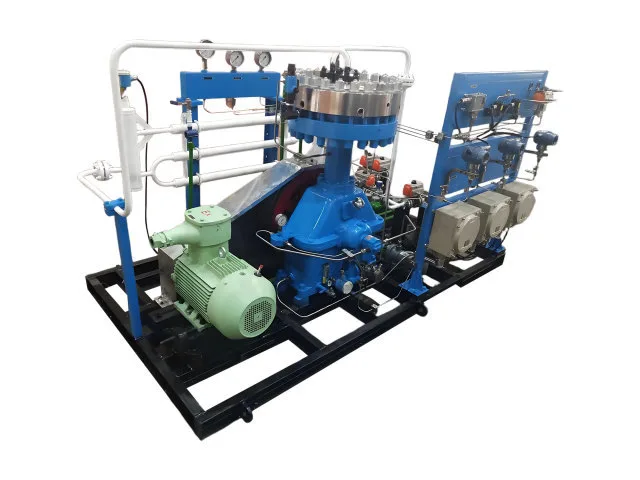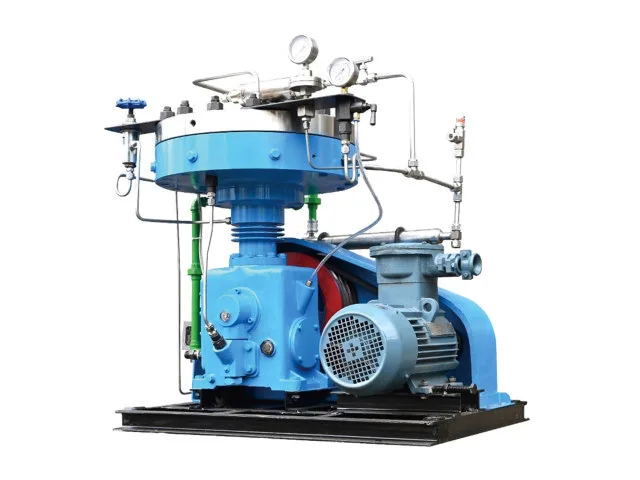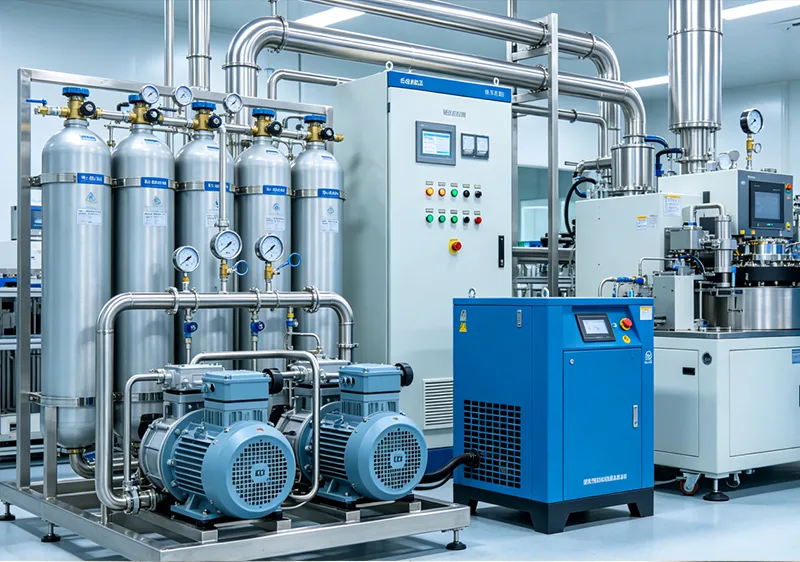
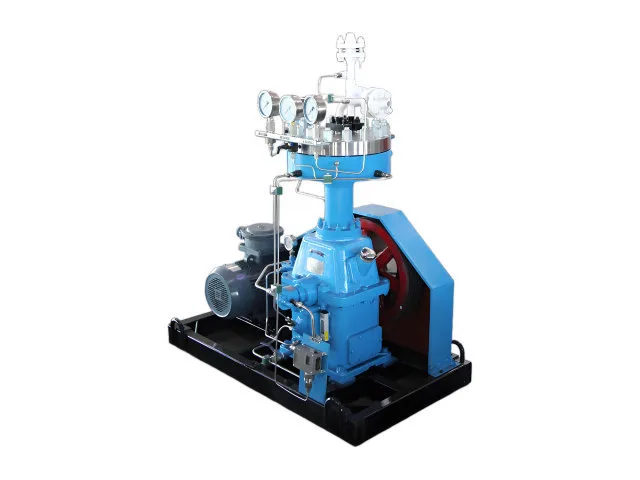
A diaphragm separates the compression chamber from the hydraulic and lubrication system inside the GZ1 Diaphragm Compressor. Gas is compressed by the movement of the diaphragm rather than by a piston operating directly in the gas chamber, which keeps oil out of the gas path. As a single-stage compressor, GZ1 is available in configurations ranging from low-flow high-pressure service to higher-flow applications with moderate pressure ratios. The selection is based on the actual combination of gas flow, suction pressure, exhaust pressure, temperature, and gas properties.
|
Model |
Compressed medium |
Volumetric flow rate |
Suction pressure |
Exhaust pressure |
Speed |
Overall dimensions |
Weight |
Electric motor |
|
|
Power(kW) |
Voltage(V) |
||||||||
|
GZ1-3/4 |
High purity gases, inert gases, flammable and explosive gases, toxic gases, and other special gases |
3 |
1atm |
0.4 |
400~430 |
1500×1000×1500 |
0.8 |
1.5 |
≈380 |
|
GZ1-4/1~12 |
4 |
0.1 |
1.2 |
2.2 |
|||||
|
GZ1-5/13 |
5 |
1atm |
1.3 |
1.5 |
|||||
|
GZ1-10/5 |
10 |
1atm |
0.5 |
2.2 |
|||||
|
GZ1-10/2~13 |
10 |
0.2 |
1.3 |
3 |
|||||
|
GZ1-12/1~12 |
12 |
0.1 |
1.2 |
3 |
|||||
|
GZ1-40/7~16 |
40 |
0.7 |
1.6 |
5.5 |
|||||
|
GZ1-40/8~15 |
40 |
0.8 |
1.5 |
5.5 |
|||||
|
GZ1-50/6~12 |
50 |
0.6 |
1.2 |
3 |
|||||
|
GZ1-60/10~13 |
60 |
1 |
1.3 |
5.5 |
|||||
|
GZ1-3/10~160 |
3 |
1 |
15.7 |
3 |
|||||
|
GZ1-5/13~200 |
5 |
1.3 |
19.6 |
1.5 |
|||||
|
GZ1-5/11~150 |
5 |
1.1 |
14.7 |
1.5 |
|||||
|
GZ1-6/13~160 |
6 |
1.3 |
15.7 |
2.2 |
|||||
|
GZ1-8/5~25 |
8 |
0.5 |
2.5 |
2.2 |
|||||
|
GZ1-10/4~50 |
10 |
0.4 |
5 |
3 |
|||||
|
GZ1-10/70~80 |
10 |
7 |
8 |
5.5 |
|||||
|
GZ1-10/30~220 |
10 |
3 |
21.6 |
4 |
|||||
|
GZ1-10/50~250 |
10 |
5 |
24.5 |
5.5 |
|||||
|
GZ1-20/10~500 |
20 |
1 |
49 |
3 |
|||||
|
GZ1-25/8~20 |
25 |
0.8 |
2 |
3 |
|||||
|
GZ1-30/20~55 |
30 |
2 |
5.5 |
5.5 |
|||||
|
GZ1-50/140~200 |
50 |
14 |
19.6 |
5.5 |
|||||
|
GZ1-60/18~30 |
60 |
1.8 |
3 |
5.5 |
|||||
|
GZ1-60/130~200 |
60 |
13 |
19.6 |
3 |
|||||
For high-purity gas systems, maintaining gas cleanliness can be more important than simply reaching the required discharge pressure. The GZ1 uses a diaphragm to separate the gas chamber from the hydraulic and lubrication sections. The compressed gas therefore remains on the gas side of the diaphragm instead of passing through an oil-lubricated compression chamber.
This configuration is useful where oil carryover could affect gas quality, downstream equipment or the process itself.
Some gas systems require a substantial pressure increase without requiring a large gas throughput. GZ1 configurations cover this type of duty, including models such as GZ1-3/10–160, GZ1-5/13–200 and GZ1-20/10–500.
The GZ1-20/10–500, for example, is specified for 20 Nm³/h with a 1 MPa suction pressure and 49 MPa exhaust pressure. Model selection still depends on the actual gas properties and operating conditions.
The GZ1 range is not limited to atmospheric-pressure suction. Available models include inlet pressures from low-pressure conditions to significantly pressurized gas sources, including configurations at 1.0, 1.3, 3.0, 5.0, 13.0 and 14.0 MPa.
This gives engineers more options when integrating the compressor with an existing gas supply, storage vessel or process line.
High-purity gases, inert gases, flammable and explosive gases, toxic gases and other special gases require appropriate sealing, materials and operating controls. The diaphragm compression principle provides a closed gas chamber and separates the gas from the lubrication system.
For special media, the gas composition and physical and chemical properties must be reviewed before the compressor configuration is confirmed. Material compatibility and operating conditions are part of the selection process.
A compressor model cannot be selected accurately from flow rate alone. Two systems with the same gas flow may require completely different compressor configurations if their suction pressure, discharge pressure, gas composition or operating temperature differs.
Jinding can evaluate the complete operating data and recommend a suitable GZ1 configuration based on the required gas flow and pressure conditions.
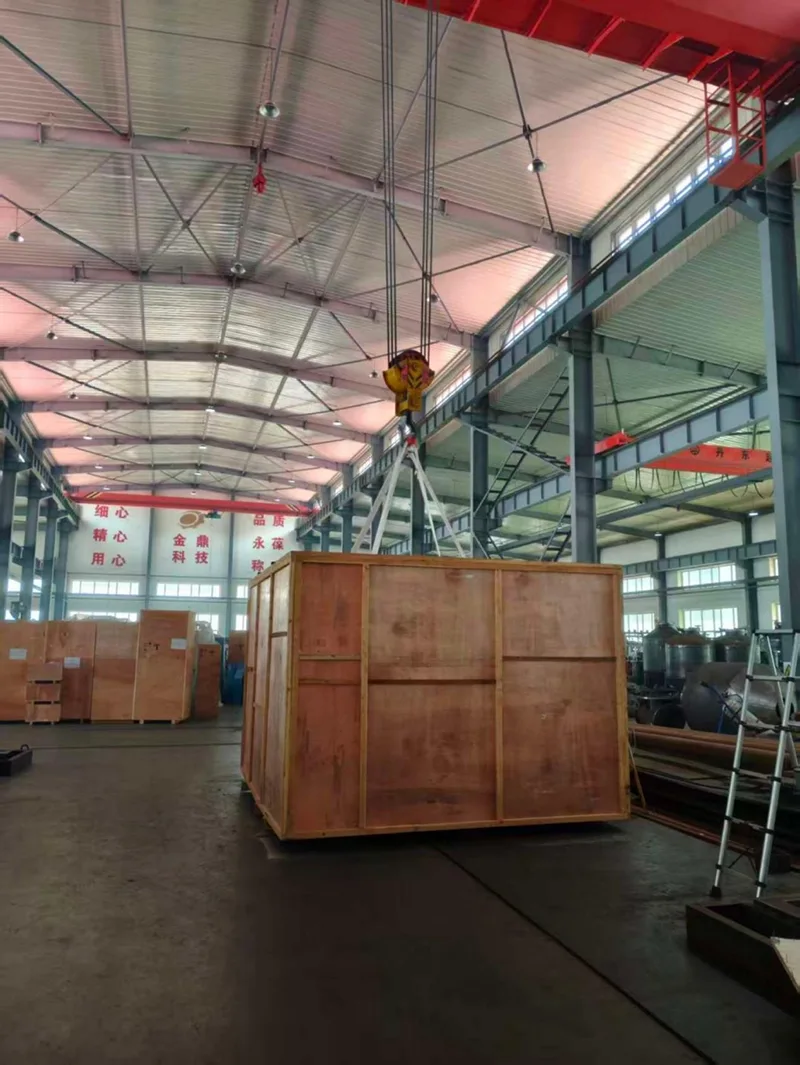
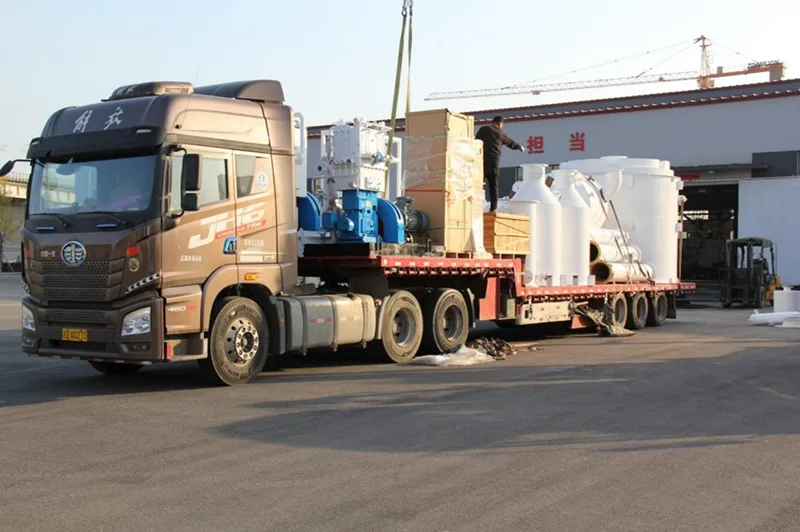
Jinding handles the preparation and delivery of diaphragm compressors according to the equipment configuration and transportation requirements. Before shipment, the compressor is prepared for loading and the equipment arrangement is checked against the shipping requirements.
For larger industrial compressor units, loading and transportation require suitable lifting arrangements and secure positioning during transit. The delivery process can be coordinated according to the equipment dimensions, destination and customer requirements.
GZ1 configurations can be used for high-purity gases, inert gases, flammable and explosive gases, toxic gases and other special gases. The actual gas composition must be reviewed before selecting the materials and compressor configuration.
Among the supplied models, GZ1-20/10–500 reaches an exhaust pressure of 49 MPa. Other models cover different pressure ranges, so the appropriate model should be selected according to the required flow and inlet conditions.
The diaphragm separates the gas chamber from the hydraulic and lubrication sections, so the compressed gas does not normally come into direct contact with lubricating oil. This makes the configuration suitable for many high-purity gas applications.
Yes, the GZ1 series can be configured for selected flammable, explosive and toxic gas applications. Because gas properties vary significantly, the gas composition, operating pressure, temperature and relevant physical and chemical data should be provided before selection.
Start with the required flow rate, suction pressure and exhaust pressure. Gas composition, inlet temperature and operating requirements are also important. Jinding can then match these conditions with the available GZ1 configurations.
Please provide the inlet pressure and temperature, required exhaust pressure, volumetric flow rate, compressed medium and operating requirements. For special gases, provide the gas composition and relevant physical and chemical properties so that the compressor configuration can be properly evaluated.
Address
No. 21, Hengtong Road, Tongchi Town, Zhenxing District, Dandong City, Liaoning Province
Tel