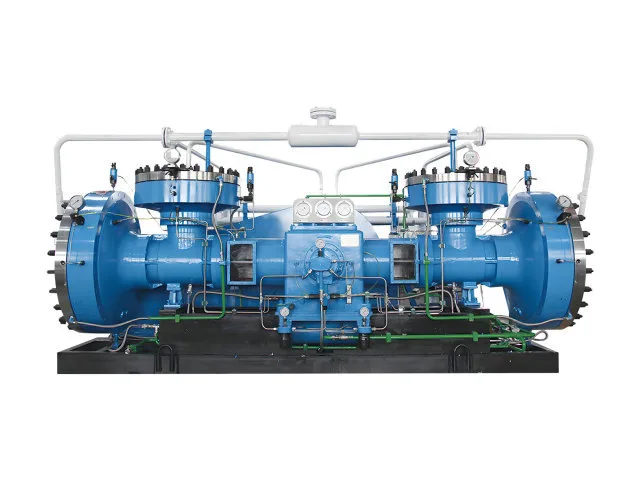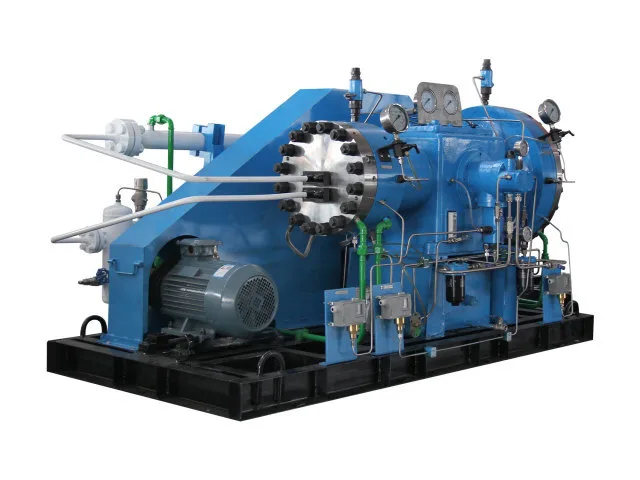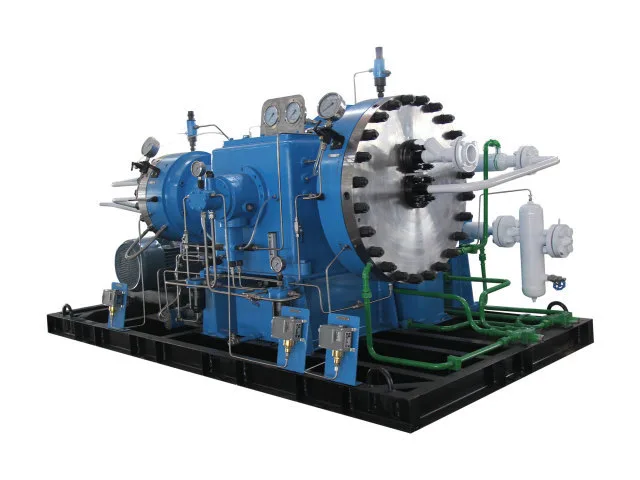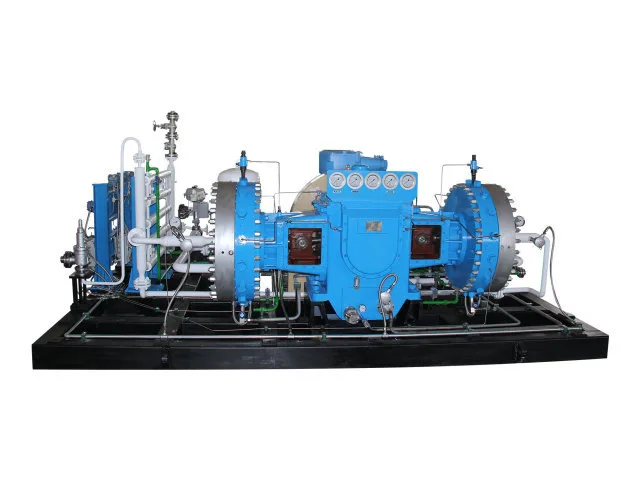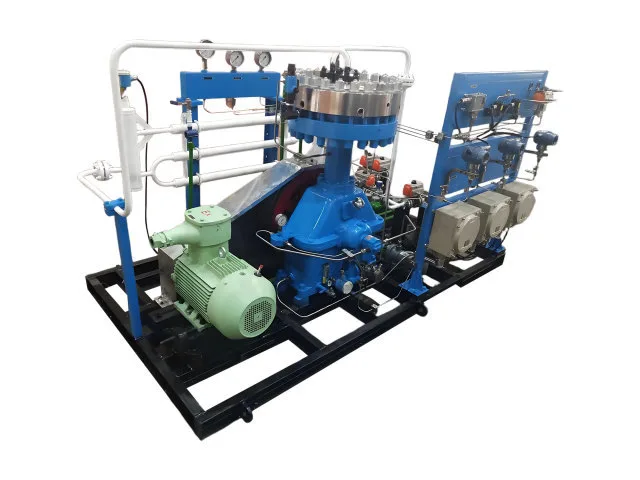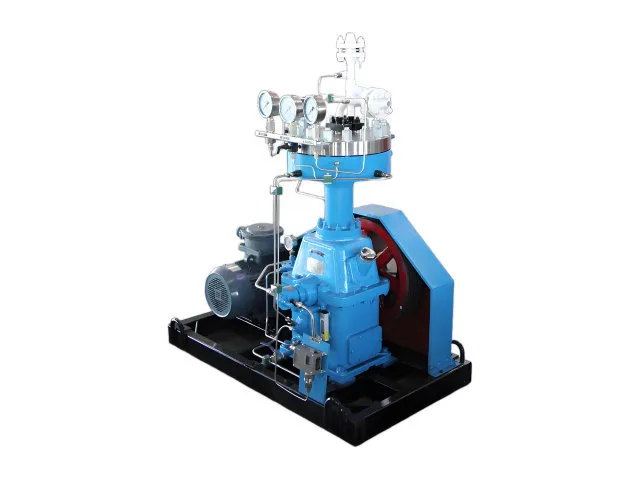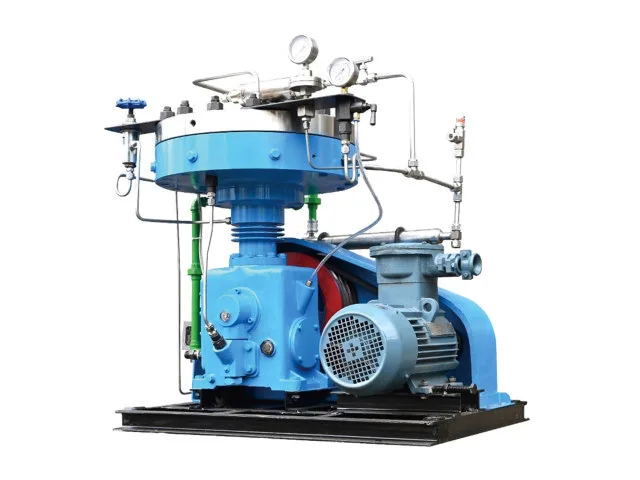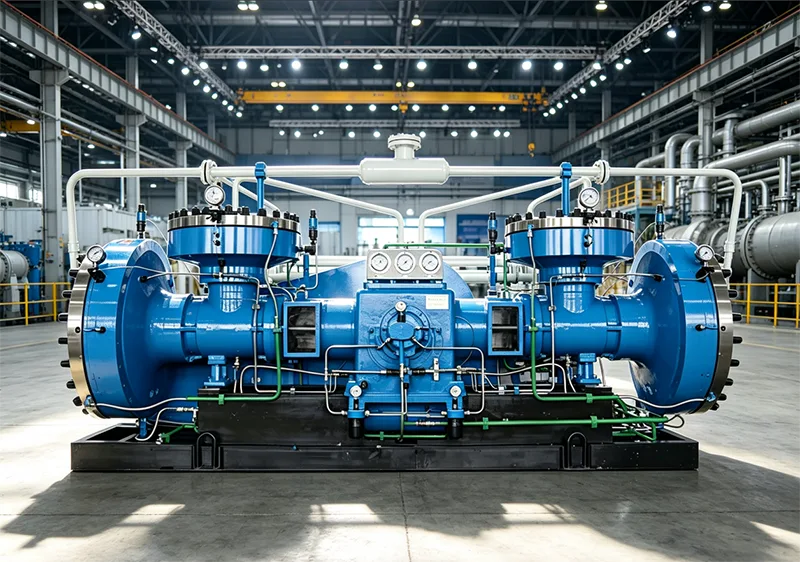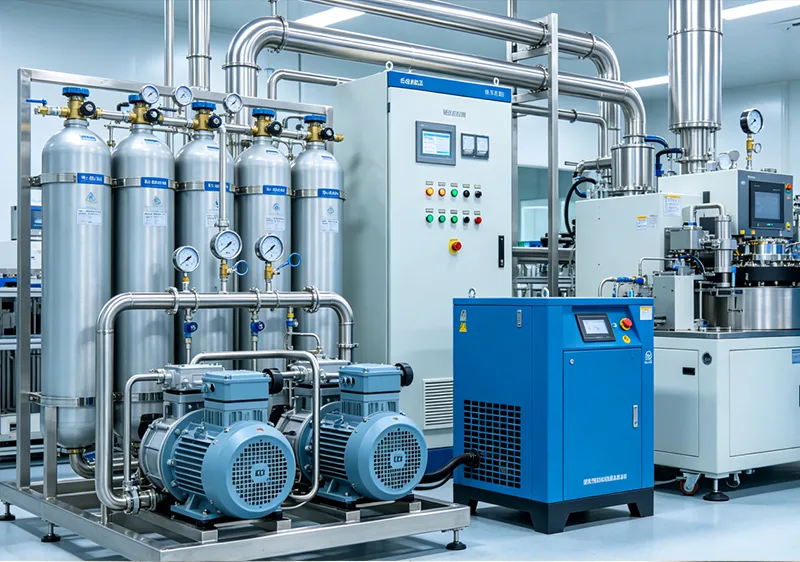
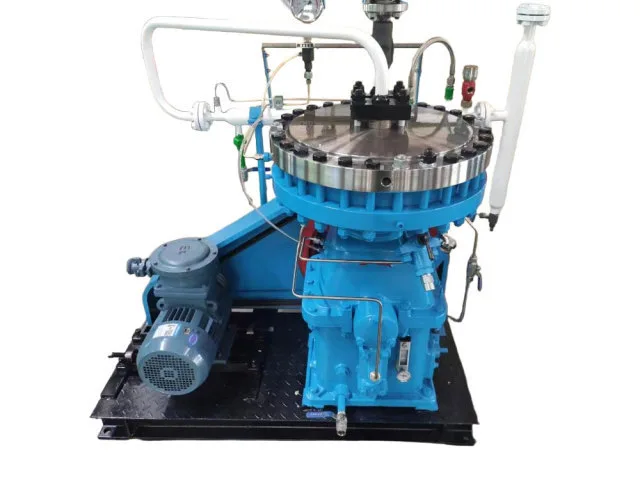
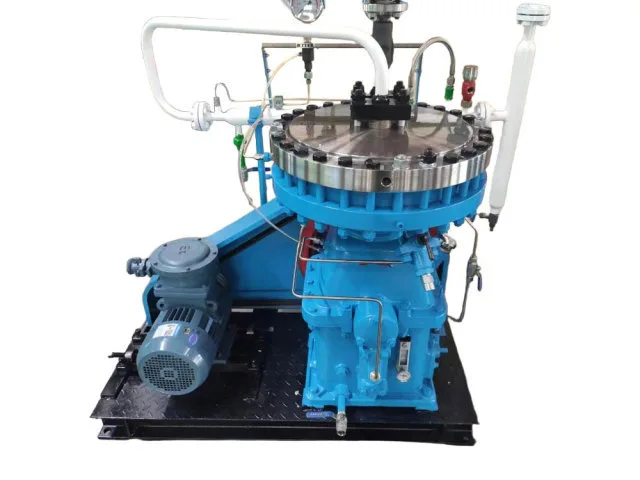
A gas compressor has to match the conditions on both sides of the process. GZ3 Diaphragm Compressor offers different combinations of inlet pressure, outlet pressure and gas throughput so the equipment can be selected around the actual process rather than around a single standard duty. The range includes compact units for relatively small gas quantities as well as larger-flow configurations, while several models are intended for substantial pressure increases. This makes the GZ3 range applicable to gas boosting, pressurization and transfer duties where gas purity and controlled compression are important.
|
Model |
Compressed medium |
Volumetric flow rate |
Suction pressure |
Exhaust pressure |
Speed |
Overall dimensions |
Weight |
Electric motor |
|
|
Power(kW) |
Voltage(V) |
||||||||
|
GZ3-20/13 |
High purity gases, inert gases, flammable and explosive gases, toxic gases, and other special gases |
20 |
1atm |
1.3 |
400~430 |
1650×1050×1650 |
1.9 |
7.5 |
≈380 |
|
GZ3-20/16 |
20 |
1atm |
1.6 |
11 |
|||||
|
GZ3-25/7 |
25 |
1atm |
0.7 |
7.5 |
|||||
|
GZ3-30/12 |
30 |
1atm |
1.2 |
11 |
|||||
|
GZ3-40/10 |
40 |
1atm |
1 |
11 |
|||||
|
GZ3-45/0.5-10 |
45 |
0.05 |
1 |
15 |
|||||
|
GZ3-85/2-15 |
85 |
0.2 |
1.5 |
15 |
|||||
|
GZ3-110/7-13 |
110 |
0.7 |
1.3 |
11 |
|||||
|
GZ3-140/4-16 |
140 |
0.4 |
1.6 |
15 |
|||||
|
GZ3-240/8-10 |
240 |
0.8 |
1 |
11 |
|||||
|
GZ3-12/36-410 |
12 |
3.6 |
40.2 |
11 |
|||||
|
GZ3-20/13-200 |
20 |
1.3 |
19.6 |
7.5 |
|||||
|
GZ3-25/2-30 |
25 |
0.2 |
3 |
11 |
|||||
|
GZ3-30/12-160 |
30 |
1.2 |
15.7 |
11 |
|||||
|
GZ3-40/6-70 |
40 |
0.6 |
7 |
15 |
|||||
|
GZ3-40/70-450 |
40 |
7 |
44.1 |
18.5 |
|||||
|
GZ3-50/4.5-40 |
50 |
0.45 |
4 |
18.5 |
|||||
|
GZ3-50/16-150 |
50 |
1.6 |
14.7 |
15 |
|||||
|
GZ3-70/10-70 |
70 |
1 |
7 |
15 |
|||||
|
GZ3-90/100-340 |
90 |
9.8 |
33.3 |
22 |
|||||
|
GZ3-60~90/7~10-60 |
60~90 |
0.7~1.0 |
6 |
15 |
|||||
|
GZ3-120/70-200 |
120 |
7.0 |
19.6 |
22 |
|||||
|
GZ3-150/6-20 |
150 |
0.6 |
2 |
11 |
|||||
|
GZ3-180/12-40 |
180 |
1.2 |
4 |
18.5 |
|||||
Selecting a GZ3 diaphragm compressor requires matching the model to both the required gas flow and the inlet and discharge pressures. The model number alone does not provide enough information to determine whether a configuration suits a particular process.
For applications with suction pressure close to atmospheric pressure, models such as GZ3-20/13, GZ3-25/7, GZ3-30/12 and GZ3-40/10 cover different gas flow requirements at relatively low discharge pressures.
When the inlet gas is already pressurized, the required compression ratio changes. For example, GZ3-45/0.5-10 operates with an inlet pressure of 0.05 MPa and a discharge pressure of 1.0 MPa, while GZ3-50/16-150 handles an inlet pressure of 1.6 MPa and a discharge pressure of 14.7 MPa.
For higher-pressure applications, the inlet may already be several MPa. GZ3-40/70-450 is specified for a suction pressure of 7.0 MPa and an exhaust pressure of 44.1 MPa. GZ3-90/100-340 operates from 9.8 MPa at the inlet to 33.3 MPa at the discharge.
These examples illustrate why flow rate should not be considered in isolation. Inlet pressure, target discharge pressure and the required gas capacity must be evaluated together to identify a suitable configuration.
Before specifying a GZ3 diaphragm compressor, provide the actual operating conditions and process requirements. This information helps determine the appropriate model and configuration, including:
|
Selection Item |
Information Required |
|
Gas flow |
Required volumetric flow rate in Nm³/h |
|
Inlet condition |
Suction pressure and suction temperature |
|
Outlet requirement |
Required exhaust pressure |
|
Gas identification |
Gas name and composition |
|
Gas properties |
Physical and chemical properties |
|
Operating duty |
Continuous, intermittent or other operating requirements |
|
Purity |
Required gas purity or contamination limits |
|
Special conditions |
Corrosive, toxic, flammable, explosive or other special characteristics |
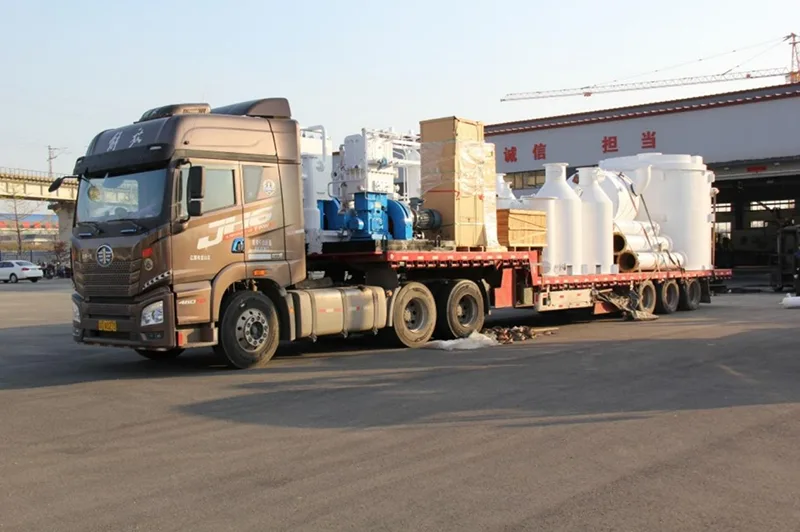
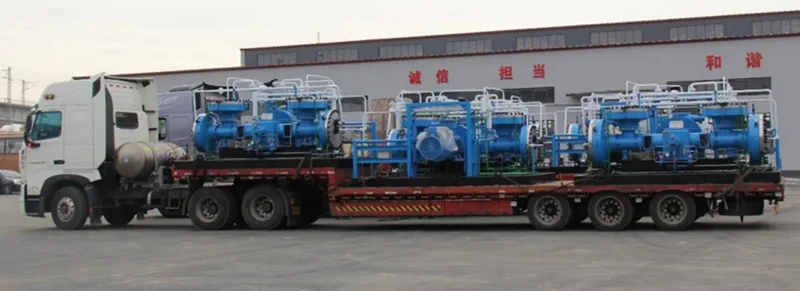
For industrial equipment, delivery is part of the equipment supply rather than an afterthought. After the compressor is completed and prepared for shipment, the unit is handled according to its dimensions and weight, secured for transport and loaded for delivery to the customer's site.
For overseas projects, the final packing and transport arrangement should be confirmed according to the compressor configuration, shipping route and destination requirements.
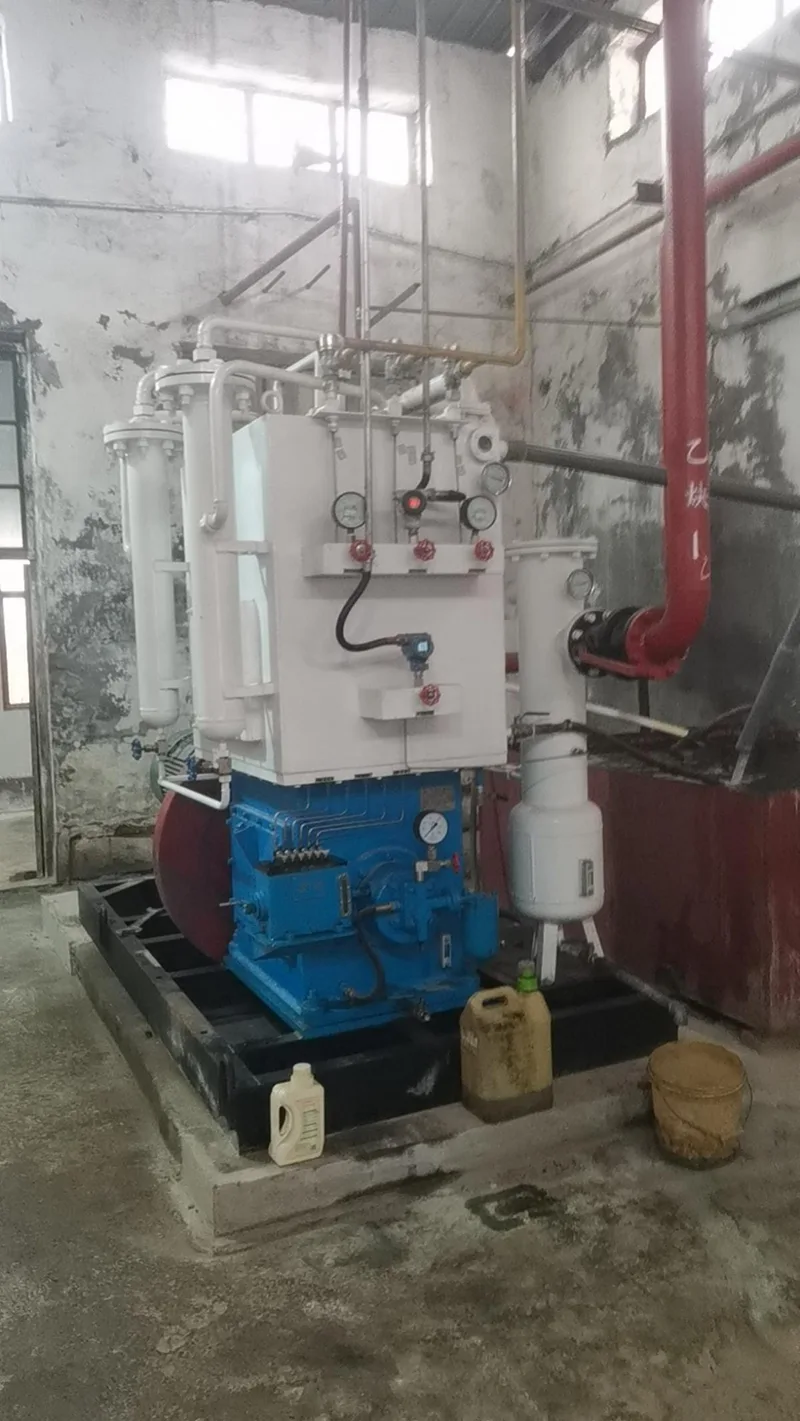
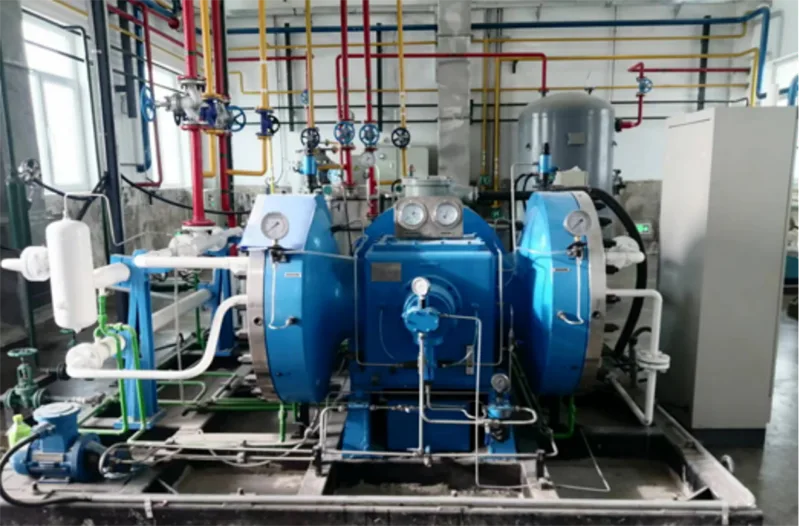
GZ3 Diaphragm Compressor can be considered for gas systems involving:
·High-purity gas compression
·Specialty gas supply systems
·Inert gas pressurization
·Rare and valuable gas handling
·Chemical process gas
·Petrochemical gas systems
·Flammable and explosive gas service
·Toxic gas handling
·Corrosive gas compression
·High-pressure gas equipment
·Laboratory and gas testing systems
The supplied models range from 12 to 240 Nm³/h. There is also a 60–90 Nm³/h range configuration listed as GZ3-60~90/7~10-60.
The highest listed exhaust pressure is 44.1 MPa for GZ3-40/70-450. GZ3-12/36-410 reaches 40.2 MPa.
Yes. Several models have pressurized suction conditions. GZ3-90/100-340, for example, is specified with 9.8 MPa suction pressure.
The diaphragm separates the gas chamber from the oil system, preventing direct contact between the compressed gas and lubricating oil.
Start with the required gas flow, then compare the actual suction pressure and required exhaust pressure. A high-flow application at a small pressure increase is a different compressor duty from a low-flow application requiring tens of MPa at the outlet.
Provide the gas name and composition, flow rate, suction pressure and temperature, required exhaust pressure, operating conditions and any special requirements concerning purity, materials, sealing or hazardous-gas handling. Jinding can then determine the appropriate GZ3 configuration.
Address
No. 21, Hengtong Road, Tongchi Town, Zhenxing District, Dandong City, Liaoning Province
Tel