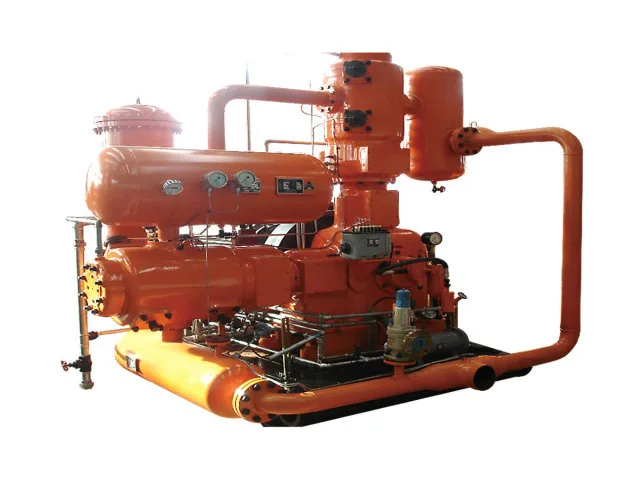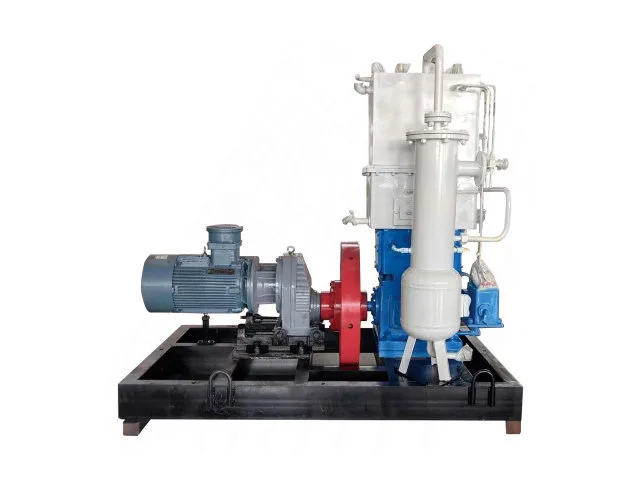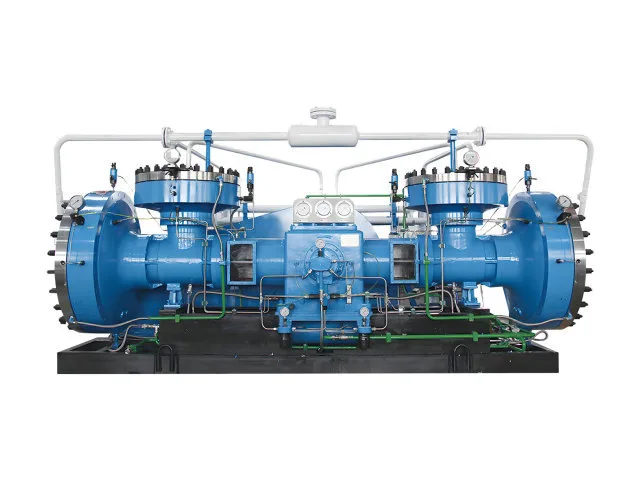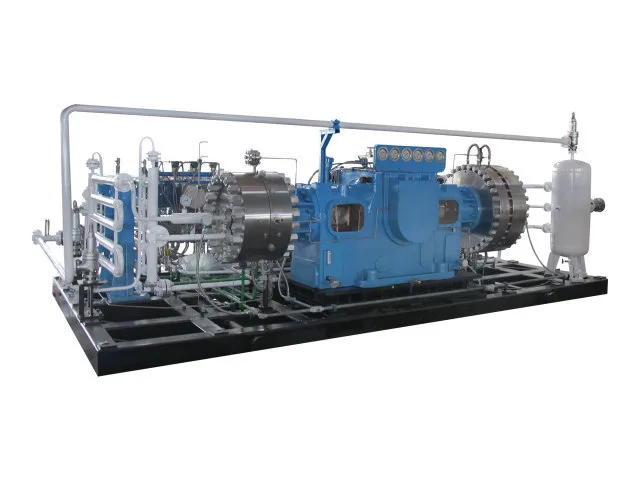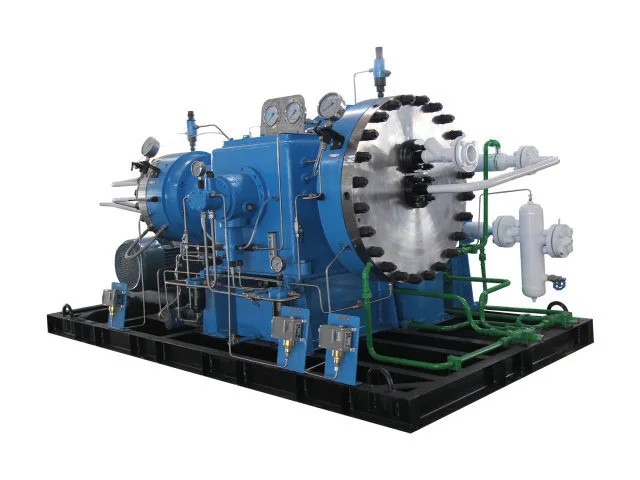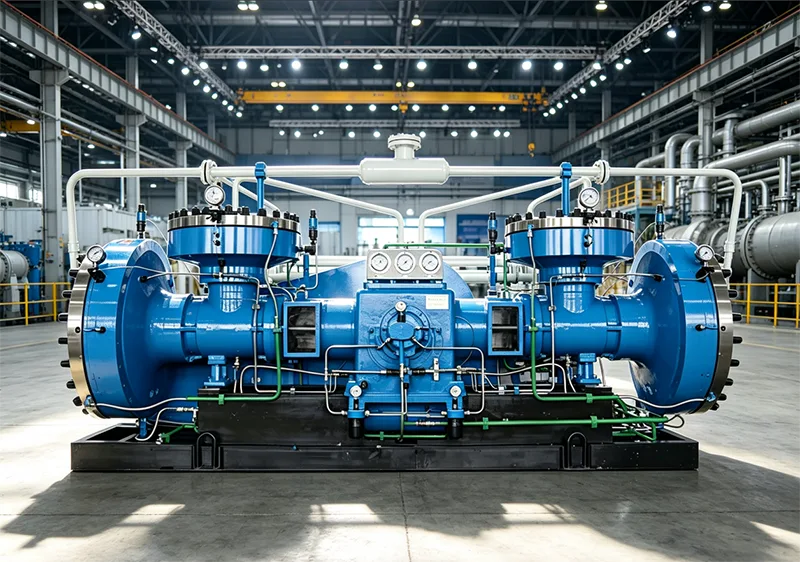
When industrial processes require reliable gas compression, precise pressure control, and protection against contamination, choosing the right equipment becomes essential. Jinding, an experienced industrial compressor manufacturer, provides the GD3 Diaphragm Compressor for high-purity gases, inert gases, flammable and explosive gases, toxic gases, and other specialty gas applications. With diaphragm-based compression technology and multiple pressure and flow configurations, the GD3 series offers a practical solution for industrial gas boosting, transfer, and high-pressure compression projects.
The GD3 Diaphragm Compressor is designed for industrial applications where gas purity, reliable sealing, and controlled compression are critical. Its metal diaphragm separates the process gas from the hydraulic drive and lubrication system, helping minimize contamination risks. With representative flow capacities ranging from approximately 20 to 500 Nm³/h and selected configurations reaching discharge pressures of approximately 35.3 MPa, the GD3 series supports diverse gas compression requirements. This guide explores its working principle, technical specifications, industrial applications, selection criteria, and maintenance considerations to help engineering teams and equipment buyers make informed decisions.
1. What Is a GD3 Diaphragm Compressor?
2. How Does the GD3 Diaphragm Compressor Work?
3. What Are the Main Technical Specifications?
4. What Are the Key Advantages of GD3 Diaphragm Technology?
5. Where Is the GD3 Series Used?
6. How to Select the Right GD3 Compressor?
7. Operation and Maintenance Considerations
8. Why Consider Jinding as Your Compressor Supplier?
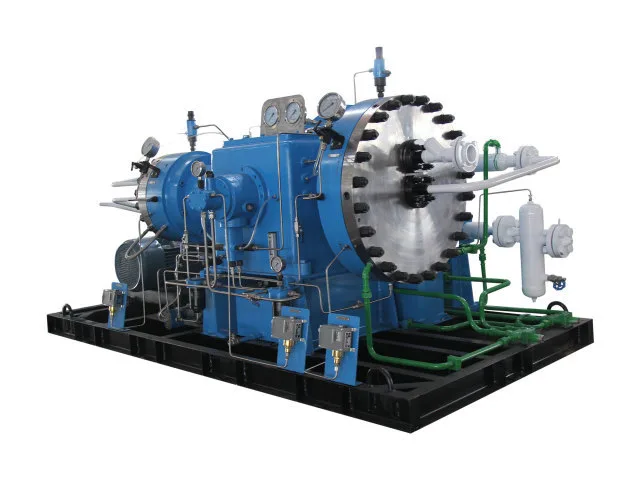
A GD3 Diaphragm Compressor is an industrial gas compression machine that uses a flexible metal diaphragm to compress gases without allowing the process medium to come into direct contact with the hydraulic drive and lubricating system. Unlike conventional piston compressors, which may require additional measures to manage oil contamination, diaphragm compressors provide a physical separation between the gas chamber and the mechanical drive components.
This structural characteristic makes the GD3 series particularly suitable for applications involving gases that require controlled purity, specialized sealing, or careful material compatibility.
According to Jinding's product specifications, the GD3 series is available for several operating conditions, including:
The equipment range includes different flow capacities and pressure configurations, allowing customers to select a solution according to their actual process requirements rather than relying on a single standard operating point.
The working principle of a diaphragm compressor is based on hydraulic transmission and the reciprocating movement of a metal diaphragm. This mechanism creates a controlled compression chamber while maintaining separation between the process gas and the hydraulic system.
The compression process generally involves the following stages:
The metal diaphragm acts as a physical barrier between the compressed gas and the hydraulic drive medium. This arrangement helps reduce the possibility of lubricating oil entering the process gas and supports applications with strict gas cleanliness requirements.
For a more detailed equipment assessment, engineers should also consider diaphragm material compatibility, valve design, sealing requirements, cooling conditions, and the chemical properties of the compressed medium.
One important characteristic of the GD3 Diaphragm Compressor is its broad selection of operating configurations. Different models are designed for different combinations of gas flow, inlet pressure, and discharge pressure.
The following table presents representative configurations published in Jinding's product information. These examples illustrate the range of available operating conditions rather than defining the performance of every GD3 model.
| Model | Flow Rate (Nm³/h) | Suction Pressure (MPa) | Exhaust Pressure (MPa) | Motor Power (kW) |
|---|---|---|---|---|
| GD3-60/11 | 60 | 1 atm | 1.1 | 30 |
| GD3-80/0.1-13 | 80 | 0.01 | 1.3 | 22 |
| GD3-100/6 | 100 | 1 atm | 0.6 | 22 |
| GD3-130/0.5-3.5 | 130 | 0.05 | 0.35 | 15 |
| GD3-180/3-15 | 180 | 0.3 | 1.5 | 30 |
| GD3-400/7-25 | 400 | 0.7 | 2.5 | 37 |
| GD3-500/7-16 | 500 | 0.7 | 1.6 | 37 |
| GD3-70/35-360 | 70 | 3.5 | 35.3 | 37 |
Important specification notes:
For example, the published GD3-60/11 configuration has a volumetric flow rate of 60 Nm³/h, a discharge pressure of 1.1 MPa, a motor power of 30 kW, overall dimensions of 3100 × 1800 × 1850 mm, and a listed weight of 2.85 tons.
Buyers should always verify the complete technical datasheet before placing an order, especially when the compressor will operate under demanding pressure or temperature conditions.
The value of a GD3 Diaphragm Compressor extends beyond its ability to increase gas pressure. Its structural design offers several advantages for industrial processes that require controlled gas handling.
The metal diaphragm separates the process gas from the hydraulic drive and lubrication system. This design helps prevent direct contact between the compressed medium and lubricating oil under normal operating conditions. It is particularly valuable when maintaining gas purity is an important process requirement.
Different gases have different chemical and physical properties. The GD3 series can be configured for high-purity, inert, flammable, explosive, toxic, and other specialty gases, subject to appropriate engineering evaluation and material compatibility.
Industrial projects rarely share identical operating requirements. The GD3 product range provides multiple combinations of inlet pressure, outlet pressure, and volumetric flow, helping customers identify equipment suitable for their specific processes.
Some industrial processes require gas to be compressed from relatively low inlet pressures to substantially higher discharge pressures. Selected GD3 configurations support high-pressure duties, including discharge pressures of approximately 35.3 MPa.
Depending on the configuration, a GD3 unit can be integrated into gas recovery, storage, transfer, pressure boosting, and other industrial gas handling systems.
The GD3 Diaphragm Compressor is designed for industrial applications in which gas purity, pressure requirements, and controlled compression must be considered together.
Gas production and processing facilities often need to maintain the quality of specialty gases throughout compression and transfer. Diaphragm separation helps reduce the risk of oil contamination and supports applications with strict cleanliness requirements.
Gas storage systems may require pressure boosting before gas enters storage vessels or downstream equipment. Suitable GD3 configurations can support these operations when the required flow and pressure conditions match the equipment specifications.
Chemical processing facilities handle various process gases with different chemical characteristics. A properly engineered diaphragm compressor can provide controlled compression while keeping the process medium separated from the hydraulic drive system.
Applications involving combustible gases require careful attention to sealing, ventilation, electrical protection, instrumentation, and operating procedures. The GD3 series can be configured for certain flammable and explosive gas applications, but the complete system must be evaluated against the relevant safety requirements.
When handling toxic gases, preventing leakage and ensuring material compatibility are essential. Appropriate compressor configuration, connection design, monitoring devices, and protective systems should be specified according to the gas properties and project risk assessment.
Selecting an industrial diaphragm compressor based only on its maximum discharge pressure can lead to incorrect equipment sizing. A more reliable approach is to evaluate the complete operating conditions before choosing a model.
Consider the following key factors:
A practical selection process should follow these steps:
Providing complete process information allows the engineering team to assess the pressure ratio, flow requirements, and equipment configuration more accurately.
Proper operation and preventive maintenance are essential for maintaining compressor performance and extending equipment service life. Although diaphragm technology provides a physical barrier between the process gas and hydraulic system, the equipment still requires routine inspection.
Recommended maintenance considerations include:
Maintenance intervals should be determined by the actual gas medium, operating pressure, duty cycle, environmental conditions, and manufacturer's recommendations. For hazardous gas applications, maintenance must follow the applicable industrial safety procedures.
Choosing a diaphragm compressor manufacturer involves more than comparing product prices. Buyers need a supplier that understands industrial gas compression requirements and can provide suitable technical configurations for different applications.
Jinding, also known as Liaoning Jinding Technology Development Co., Ltd., provides industrial diaphragm compressors and related gas equipment for specialized compression applications.
Reasons to consider Jinding include:
For industrial buyers, communicating the actual process conditions at the beginning of a project is an effective way to obtain more relevant equipment recommendations and technical quotations.
The GD3 series can be configured for high-purity gases, inert gases, flammable and explosive gases, toxic gases, and other specialty gases. The final configuration depends on gas composition, chemical compatibility, sealing requirements, and operating conditions.
According to Jinding's published product specifications, selected GD3 configurations can reach a discharge pressure of approximately 35.3 MPa. The actual maximum pressure depends on the specific model.
Representative published GD3 models cover volumetric flow capacities from approximately 20 to 500 Nm³/h. Buyers should confirm the required capacity under their actual inlet pressure and operating conditions.
Yes. Various GD3 configurations are suitable for increasing gas pressure from an existing inlet pressure to a higher process or storage pressure. The required inlet pressure, discharge pressure, and flow rate should be provided for model selection.
Under normal operation, the metal diaphragm separates the process gas from the hydraulic drive and lubrication system. This structural design helps minimize the risk of lubricating oil contamination in the compression chamber.
The GD3 series can be configured according to different gas properties, pressure requirements, flow rates, and installation conditions. Specific customization and technical feasibility should be confirmed with Jinding's engineering team.
Buyers should provide the gas medium, gas composition or purity, suction pressure, required discharge pressure, and required flow rate. Additional information about operating hours, cooling conditions, electrical requirements, and installation environment can help improve equipment selection accuracy.
The GD3 Diaphragm Compressor provides a specialized solution for industrial gas compression applications that require controlled pressure, reliable gas separation, and flexible operating configurations. Its metal diaphragm structure helps minimize contamination risks, while its broad range of available flow and pressure specifications makes it suitable for various high-purity gas, inert gas, hazardous gas, and industrial gas boosting applications. Selecting the right model requires a comprehensive evaluation of gas composition, inlet pressure, discharge pressure, flow demand, and operating conditions. If you are planning an industrial gas compression project or looking for a reliable diaphragm compressor manufacturer, explore Jinding's GD3 Diaphragm Compressor and contact us with your technical requirements. Jinding's team can help evaluate your application, discuss suitable configurations, and provide equipment information for your project.