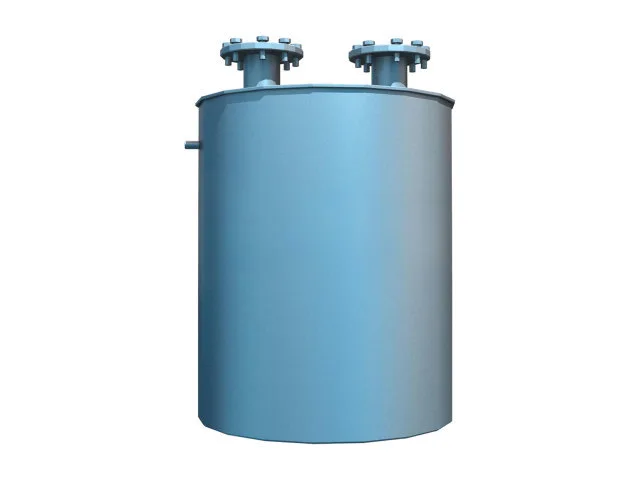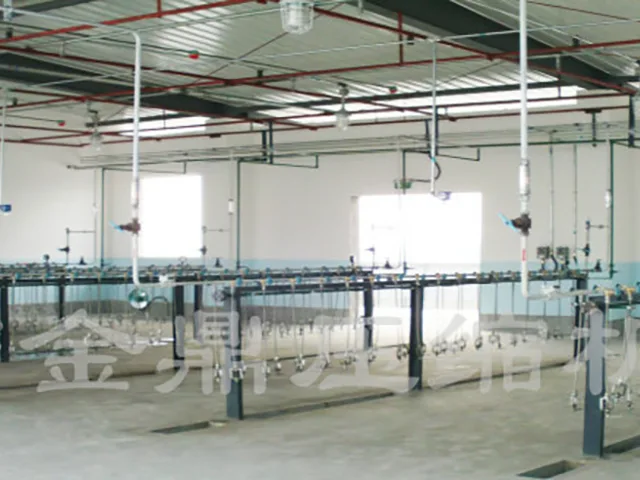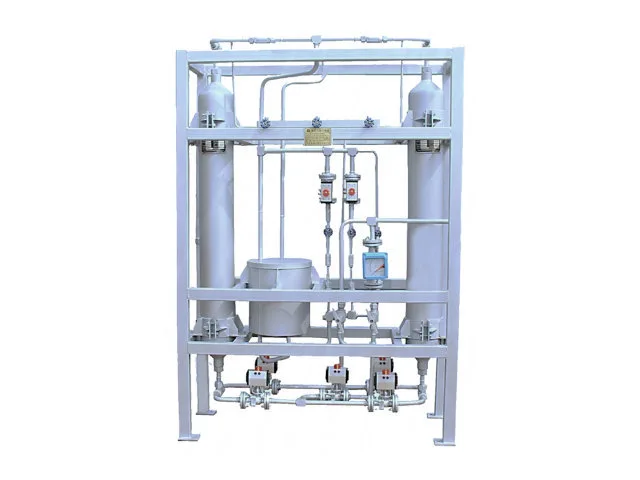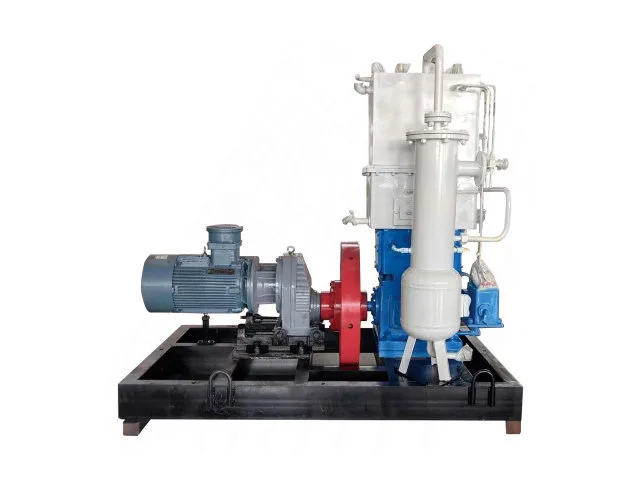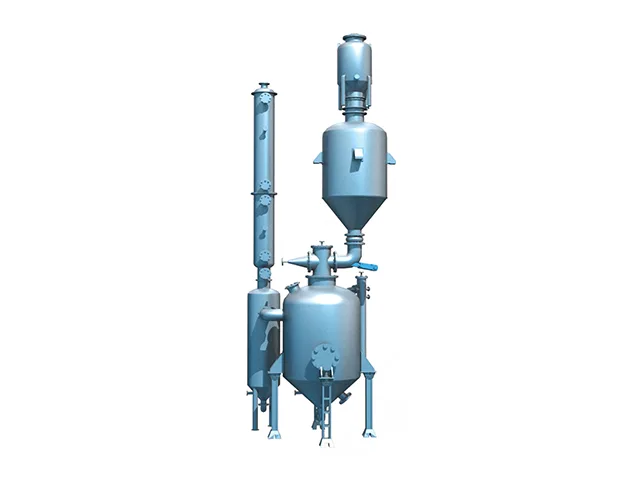
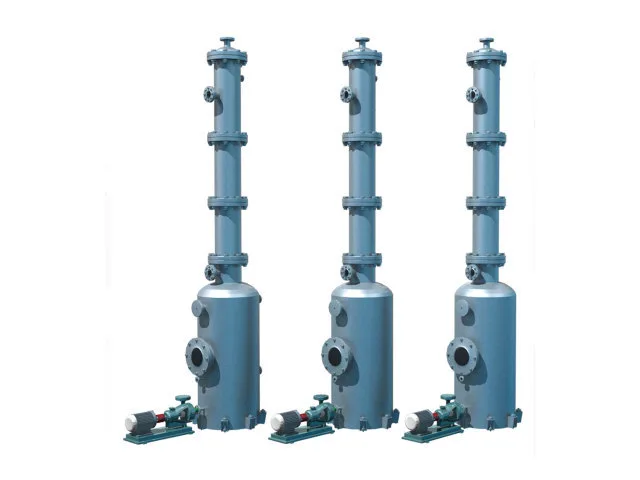
The Spray Purification Neutralization System is installed downstream of the acetylene generator to clean crude acetylene before further storage or compression. Instead of relying on concentrated sulfuric acid as the primary purification medium, the process uses sodium hypochlorite solution in two cleaning stages and sodium hydroxide solution for final neutralization. The arrangement provides separate treatment stages for different impurities while keeping the gas purification process at relatively low temperature and pressure. After purification, the treated acetylene leaves the neutralization tower and can be routed to a gas holder or an acetylene compression system.
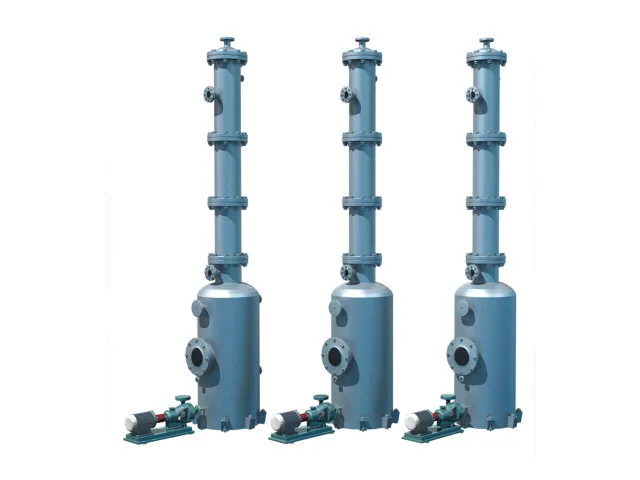
Crude acetylene enters the first cleaning tower, where it is brought into contact with a low-concentration sodium hypochlorite solution. This stage begins the removal of impurities carried over from the acetylene generation process.
The gas then moves to the second cleaning tower, where a higher-concentration sodium hypochlorite solution provides further purification. Phosphine and hydrogen sulfide are among the impurities targeted during the sodium hypochlorite scrubbing stages.
Following the hypochlorite treatment, the acetylene enters the neutralization tower. Sodium hydroxide solution is circulated here to remove acid mist and neutralize acidic components remaining in the gas stream.
Once the treatment is completed, the purified acetylene exits from the top of the neutralization tower and proceeds to the gas holder or downstream compression process.
The liquid preparation and circulation arrangement is also part of the process design. Fresh sodium hypochlorite solution is first supplied to the secondary cleaning tower. As its concentration decreases during operation, the solution can then be transferred for use in the primary cleaning tower. Each tower uses a circulating pump to maintain contact between the gas and purification liquid.
The three-tower arrangement gives each treatment stage a defined role.
|
Process Stage |
Purification Medium |
Main Function |
|
Primary cleaning tower |
Low-concentration sodium hypochlorite solution |
Initial scrubbing of crude acetylene |
|
Secondary cleaning tower |
High-concentration sodium hypochlorite solution |
Further removal of impurities such as phosphine and hydrogen sulfide |
|
Neutralization tower |
Sodium hydroxide solution |
Removal and neutralization of acid mist |
|
Outlet |
Purified acetylene gas |
Transfer to gas holder or compression |
This staged approach also makes better use of the purification liquid. Rather than sending newly prepared hypochlorite solution directly to the first stage and discarding it after its concentration falls, the solution is introduced at the secondary cleaning stage first and subsequently used in the primary stage as its concentration decreases.
The purification process operates under relatively mild temperature and pressure conditions. This reduces the operating burden on the purification section and supports safer handling of acetylene gas.
The Spray Purification Neutralization System can be equipped for continuous automatic replenishment of purification liquid and automatic discharge of residual liquid. This reduces the need for frequent manual intervention and makes the equipment suitable for continuous production lines.
After service, the sodium hypochlorite solution can reach a very low concentration, with the pH approaching neutral conditions. Depending on the plant's process and environmental management requirements, the liquid may be reused or handled as part of the plant's established treatment system.
Sodium hypochlorite is relatively inexpensive compared with traditional concentrated sulfuric acid purification media. For plants operating continuously, the choice of purification chemistry can therefore have a direct effect on operating cost and liquid-management requirements.
The neutralization stage removes acid mist and helps prevent acidic or alkaline components from being carried into the downstream gas system. Cleaner acetylene entering the compressor can help reduce the impact of corrosive or reactive contaminants on compressor components and service life.
The Spray Purification Neutralization System is primarily relevant to projects where acetylene is generated from calcium carbide and must be purified before storage, filling or compression. Typical procurement situations include:
·Acetylene production plants requiring a dedicated purification section after the generator.
·Industrial gas manufacturers producing acetylene for commercial supply.
·Calcium carbide acetylene plants upgrading or expanding their gas purification process.
·Acetylene filling and distribution facilities where purified gas is subsequently compressed or stored.
·Plants with acetylene compressors downstream, where removal of acid mist and other contaminants is important before compression.
·Existing plants reviewing sulfuric-acid purification, particularly where a sodium hypochlorite-based purification process is being considered as an alternative.
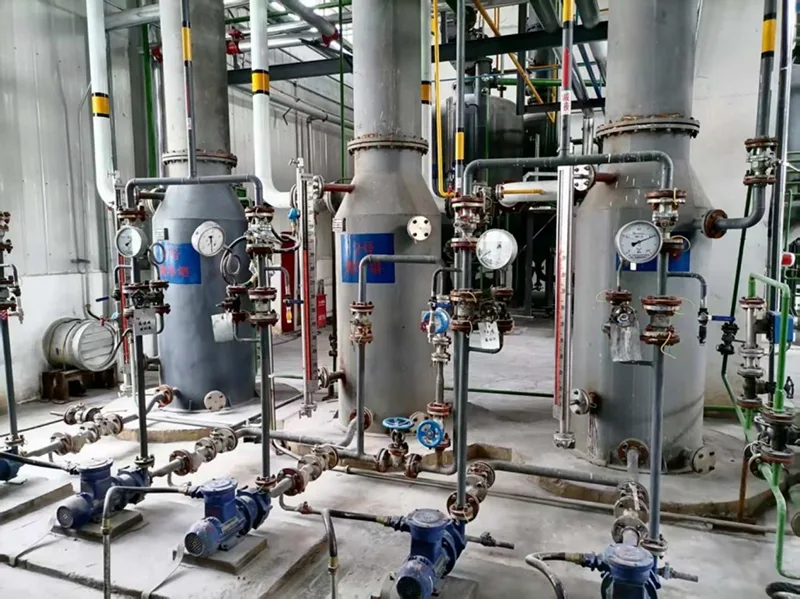
The sodium hypochlorite cleaning stages are used to remove impurities such as phosphine and hydrogen sulfide. The following sodium hydroxide neutralization stage treats acid mist and other acidic components remaining in the gas.
The two-stage arrangement allows different solution concentrations to be used at different points in the purification process. A higher-concentration solution is used in the secondary cleaning tower, while the lower-concentration solution is subsequently used in the primary tower.
The secondary tower requires a higher-concentration solution for its purification duty. As the solution concentration decreases during operation, it can be moved to the primary tower for further use, making better use of the purification liquid.
The neutralization tower uses sodium hydroxide solution to remove acid mist and neutralize acidic components before the acetylene gas leaves the purification system.
Yes. The system can incorporate automatic replenishment of purification liquid and automatic discharge of residual liquid, supporting continuous acetylene production and reducing manual liquid-management work.
The neutralization stage helps prevent acidic or alkaline components from entering the downstream compression section. Cleaner gas conditions can reduce contamination and corrosive effects on compressor components.
Address
No. 21, Hengtong Road, Tongchi Town, Zhenxing District, Dandong City, Liaoning Province
Tel