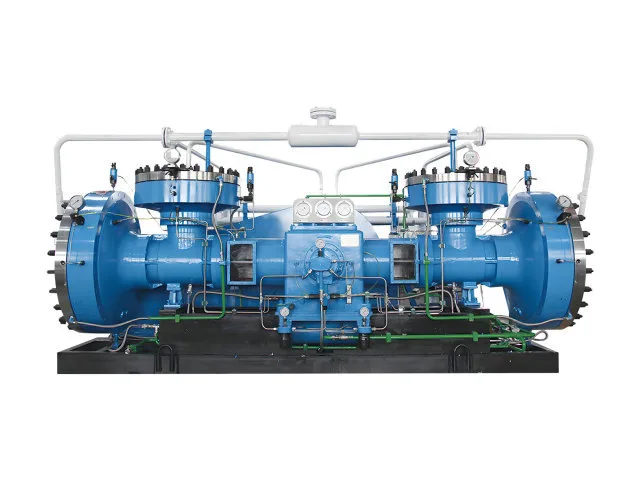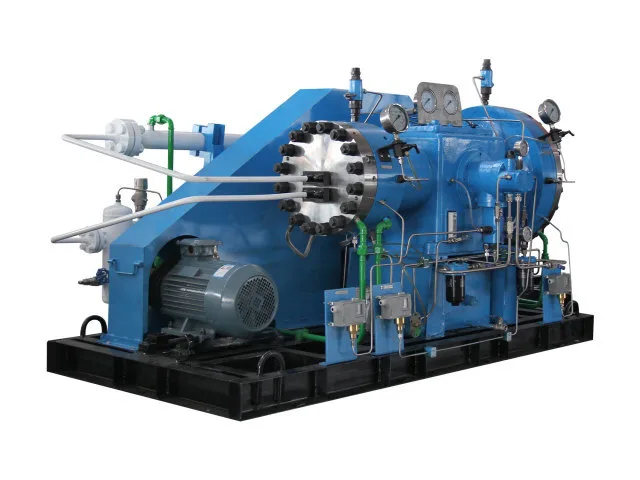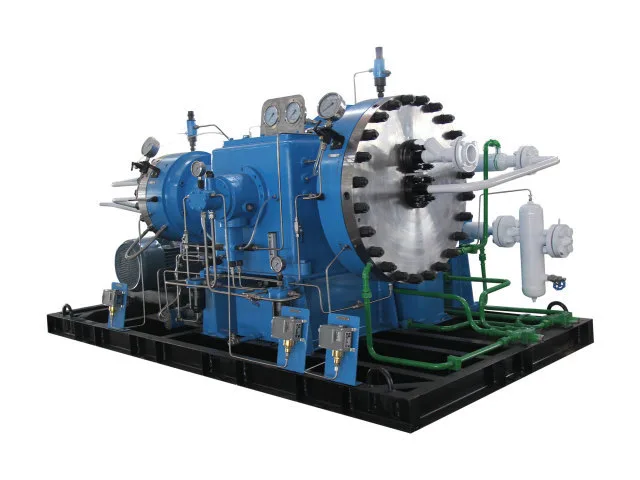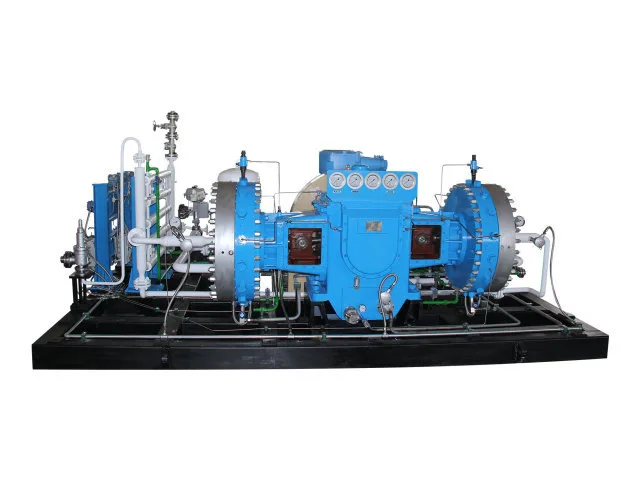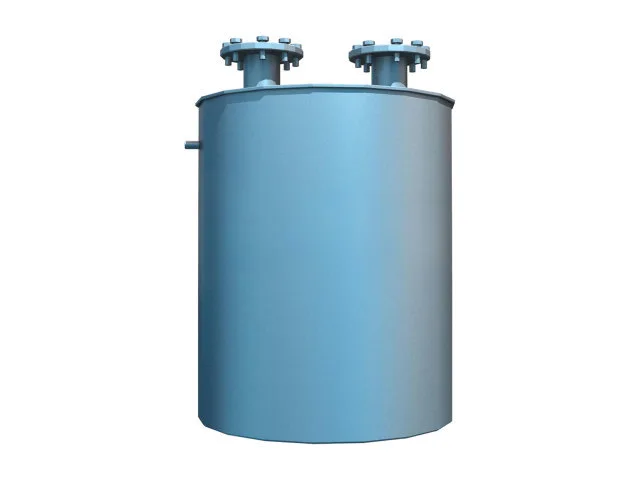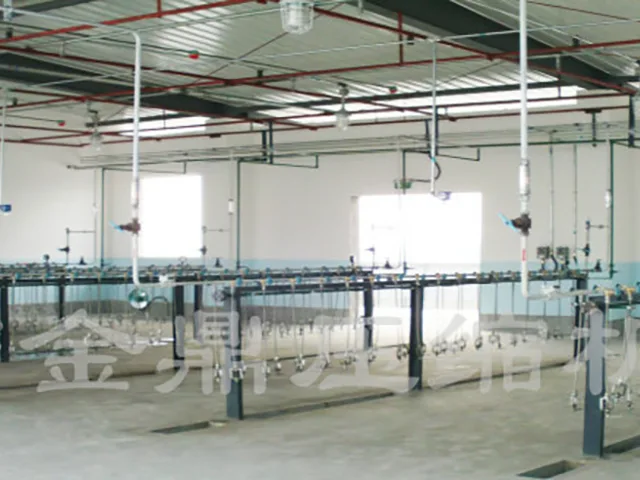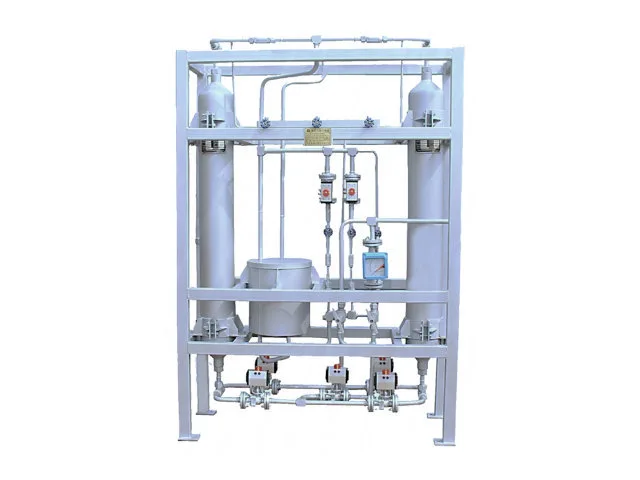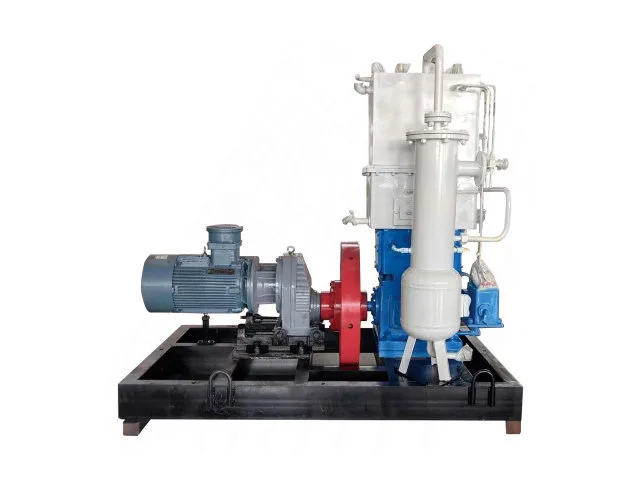
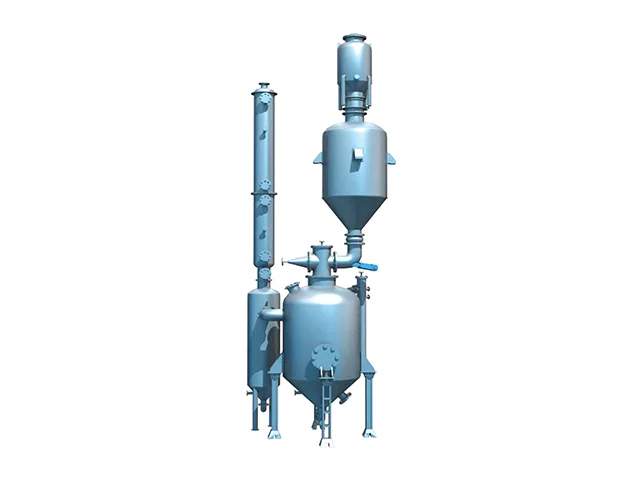
The Low Pressure Closed Acetylene Generator uses calcium carbide as the raw material for acetylene production. During operation, carbide enters the reaction system and reacts with water to generate acetylene. Material that has not fully decomposed in the initial reaction stage can continue through the secondary reaction process in the main and auxiliary generators.
This additional reaction stage helps improve calcium carbide utilization and reduce the amount of unreacted material leaving the system.
Heat generated during acetylene production is removed through the cooling process. Keeping the reaction temperature under control is important for maintaining stable gas generation and operating conditions. The stated system operating conditions include low working pressure in the range of 4–6 kPa.
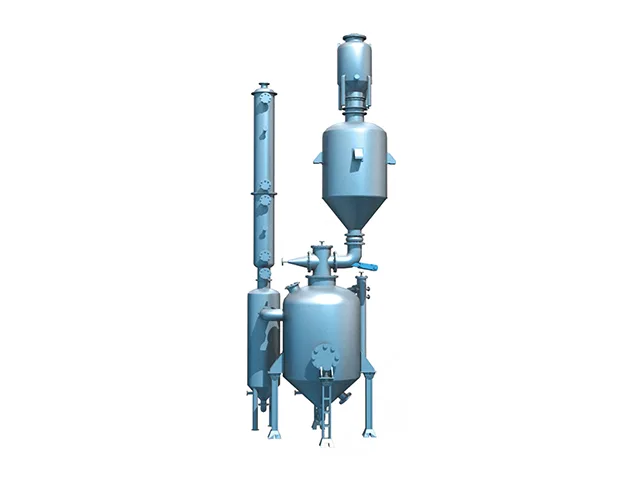
The enclosed configuration addresses one of the practical concerns in acetylene generation: preventing unwanted air from entering the reaction equipment.
Jinding's closed system uses sealed feeding together with a nitrogen purging and replacement arrangement. This reduces the opportunity for air to mix with the gas-generating environment during feeding and replacement operations.
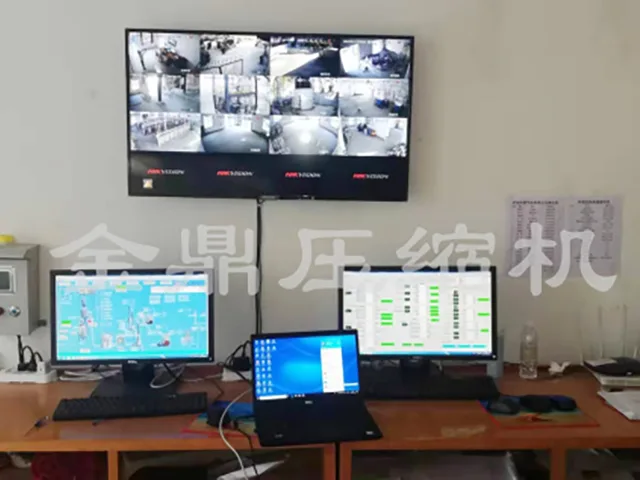
The Low Pressure Closed Acetylene Generator can also be interlocked with the gas holder. The feeding mechanism responds to the set gas-holder position, allowing carbide feeding to start or stop automatically rather than depending entirely on manual operation.
This arrangement reduces operator workload while giving the production system a more consistent response to changes in gas demand.
Acetylene generation is an exothermic reaction, so heat removal forms an important part of stable operation.
The Low Pressure Closed Acetylene Generator gives a working temperature range of 60–80°C and also a separate working-temperature requirement of ≤60°C.
Proper cooling helps maintain a controlled reaction environment and supports stable acetylene generation during continuous operation.
|
Product Model |
Acetylene production |
Acetylene extraction rate |
Calcium carbide specifications |
Chain device |
Structural form |
|
DYF-80 |
80 |
≥90 |
50-280 |
None |
Open type |
|
DYF-150 |
150 |
≥90 |
50-280 |
None |
Open type |
|
DYF-200 |
200 |
≥90 |
50-280 |
None |
Open type |
|
DYF-300 |
300 |
≥90 |
50-280 |
None |
Open type |
|
DYF-500 |
500 |
≥90 |
50-280 |
None |
Open type |
|
DYZF-80 |
200 |
≥93 |
≤80 |
Have |
Main payment closed type |
|
DYZF-150 |
300 |
≥93 |
≤80 |
Have |
Main payment closed type |
|
DYZF-300 |
400 |
≥95 |
≤80 |
Have |
Main payment closed type |
|
DYZF-500 |
500 |
≥95 |
≤80 |
Have |
Main payment closed type |
|
DYF-1000 |
1000 |
≥95 |
≤80 |
Have |
Main payment closed type with mixing |
The DYF models are listed as open-type generators, with calcium carbide specifications of 50–280 mm and extraction rates of at least 90% for the listed models.
The DYZF models introduce a closed configuration with carbide size up to 80 mm, a feeding/chain device and higher listed extraction rates of at least 93–95%. The closed arrangement is particularly relevant when the process requires sealed feeding and nitrogen purging to reduce air entry during operation.
This distinction is useful when comparing equipment based not only on production capacity but also on operating method and process-control requirements.
Low Pressure Closed Acetylene Generator can be incorporated into acetylene production and supply systems serving:
·Industrial acetylene production
·Gas cutting and welding gas supply
·Metal fabrication facilities
·Chemical production processes using acetylene
·Acetylene filling and distribution systems
·Carbide-based acetylene plants
·Industrial gas stations requiring controlled acetylene generation
The appropriate generator capacity depends on actual downstream gas consumption, required operating pressure, calcium carbide characteristics and the intended gas-holder configuration.
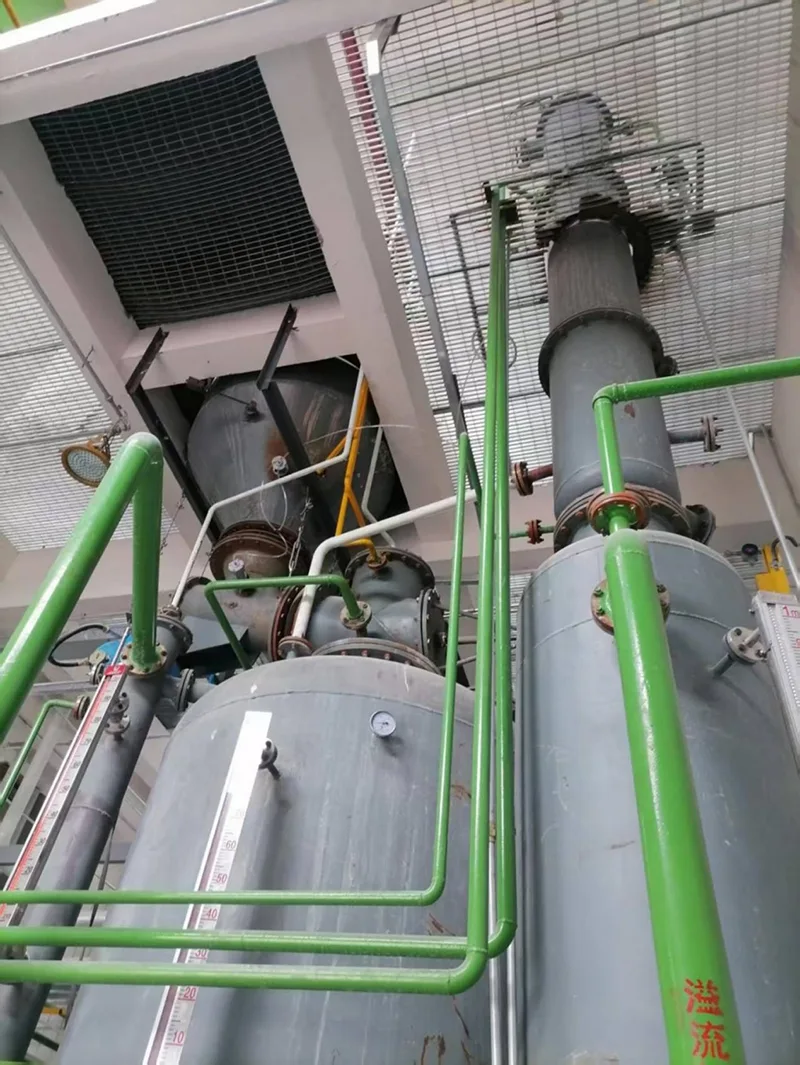
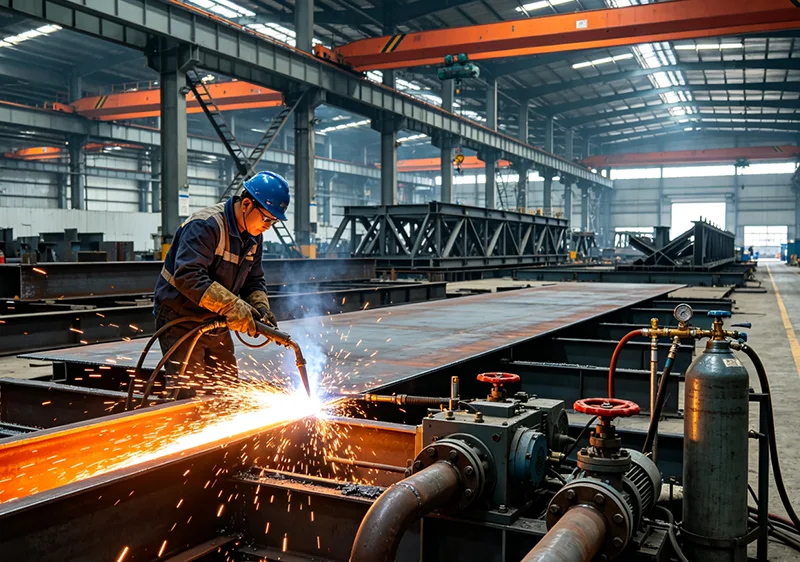
Jinding prepares acetylene generator equipment for shipment according to the equipment configuration, dimensions and transport requirements. Before dispatch, the equipment is checked, prepared for loading and secured for transportation.
For overseas projects, packing and transport arrangements can be coordinated according to the destination, shipping method and site requirements.
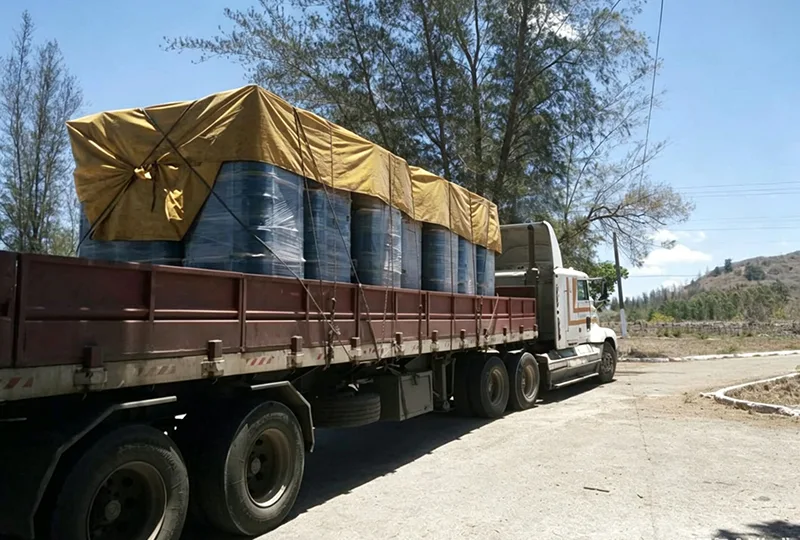
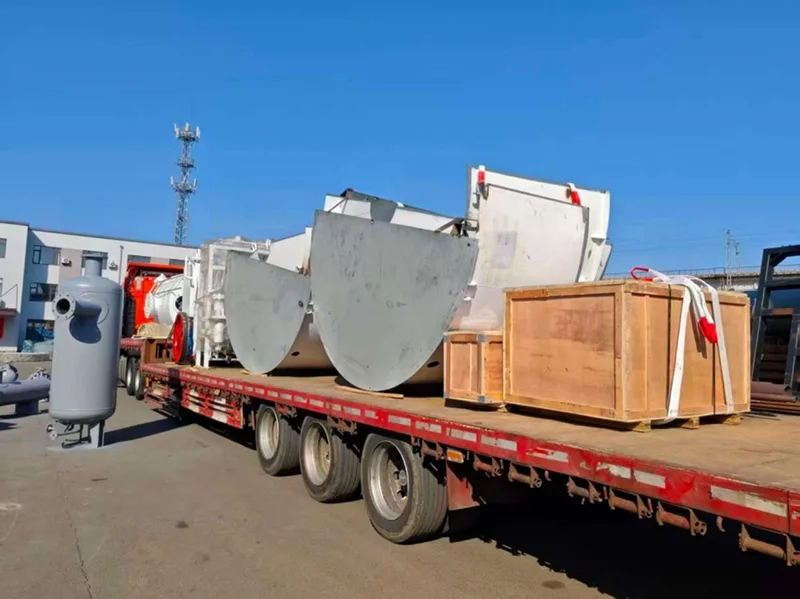
The supplied model data covers acetylene production capacities from 80 to 1000 m³/h, while the stated overall technical range is 80–1200 m³/h. The final capacity should be confirmed against the complete Jinding model list.
The supplied technical specification gives a working pressure of 4–6 kPa, making the generator suitable for low-pressure acetylene production systems.
The main and auxiliary generators allow calcium carbide to continue decomposing after the initial reaction. This helps improve carbide utilization and reduce unreacted material.
The closed configuration uses sealed feeding together with nitrogen purging and replacement. This helps reduce the possibility of air entering the generator during feeding and related operations.
Yes. The generator can be interlocked with the gas holder, and the feeding mechanism can automatically start or stop according to the preset gas-holder position. This allows gas generation to respond to actual demand.
The supplied specifications for the DYZF closed models state a calcium carbide specification of ≤80 mm. The appropriate carbide size and feed arrangement should be confirmed for the selected model.
Address
No. 21, Hengtong Road, Tongchi Town, Zhenxing District, Dandong City, Liaoning Province
Tel