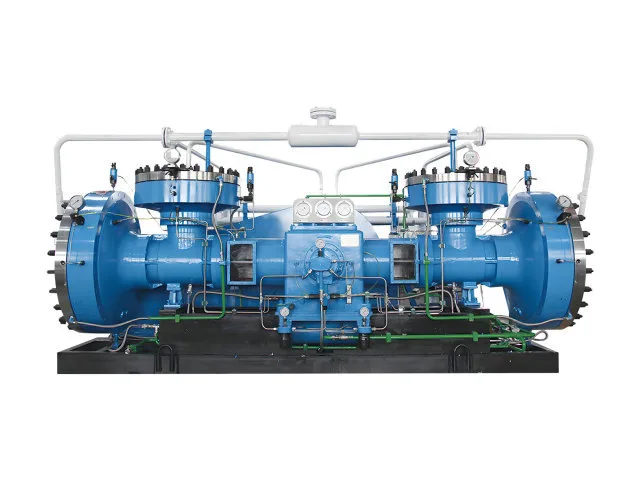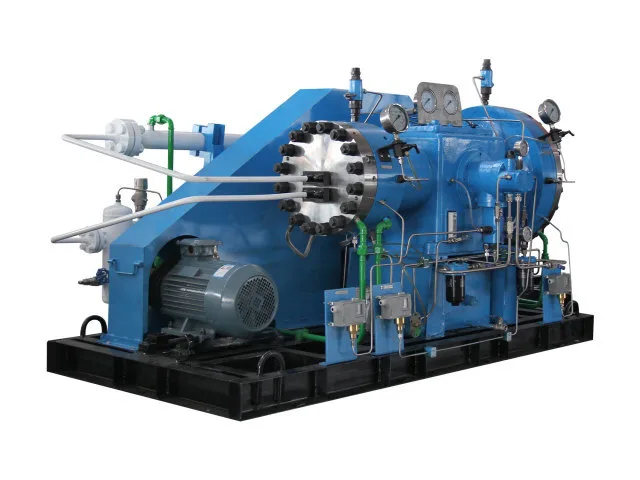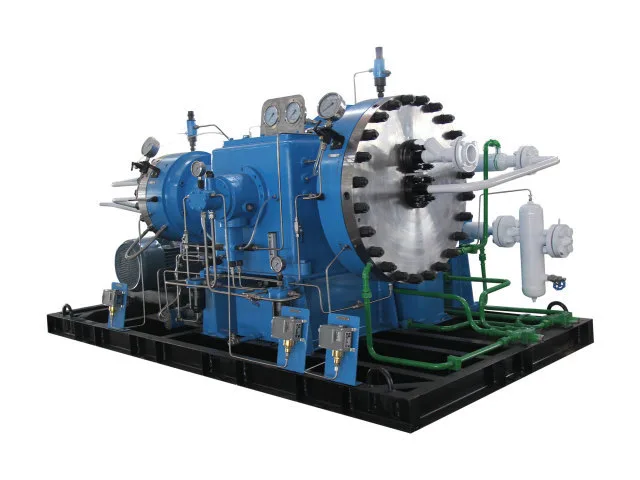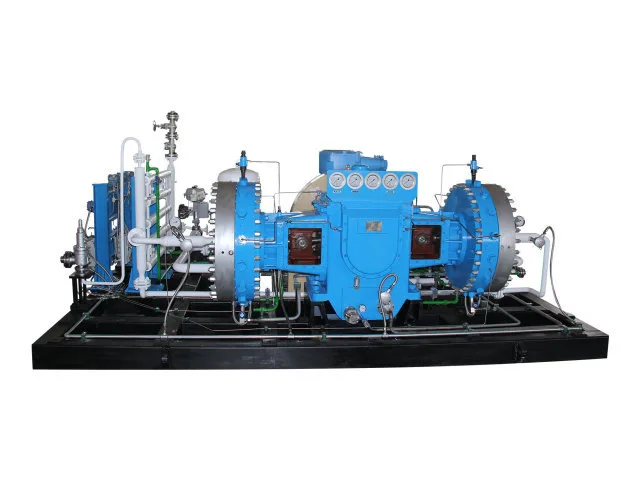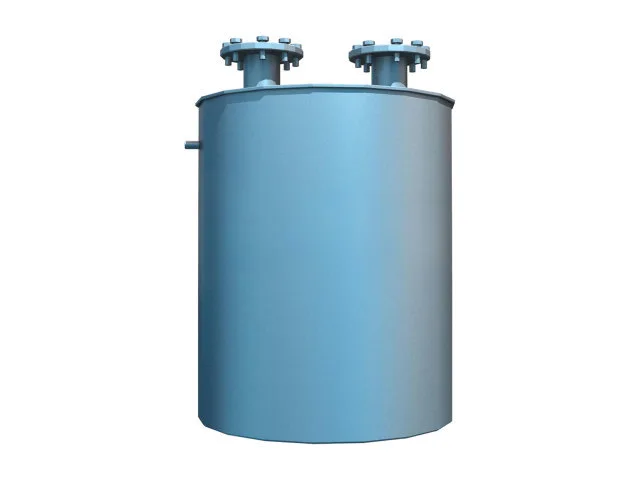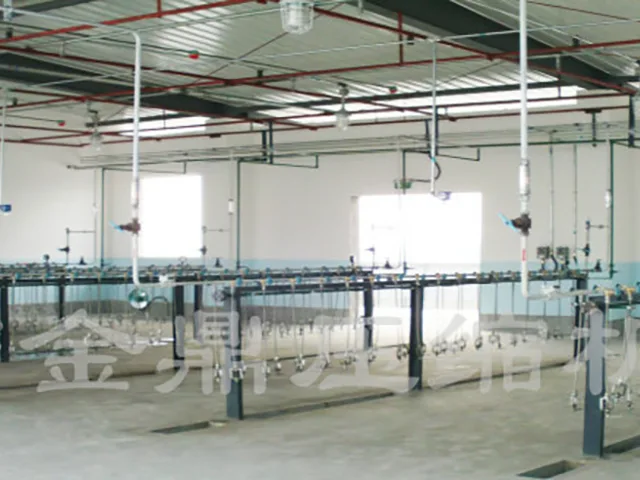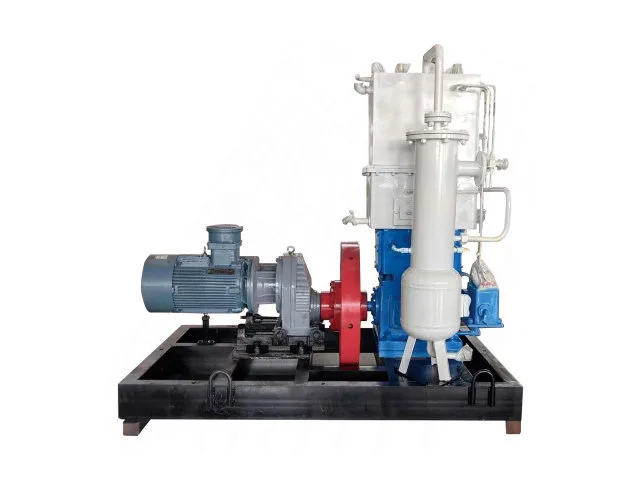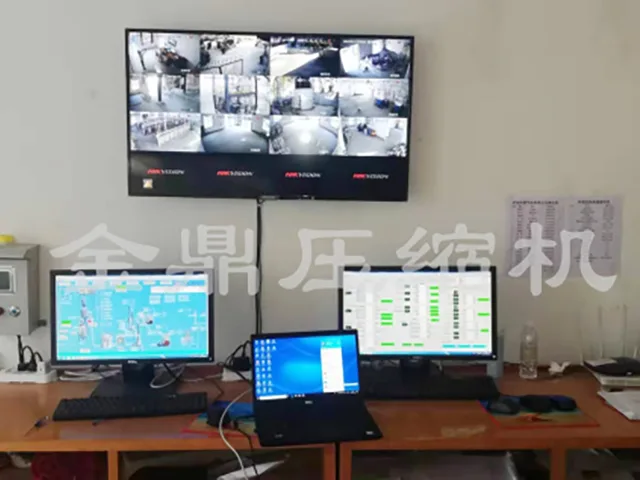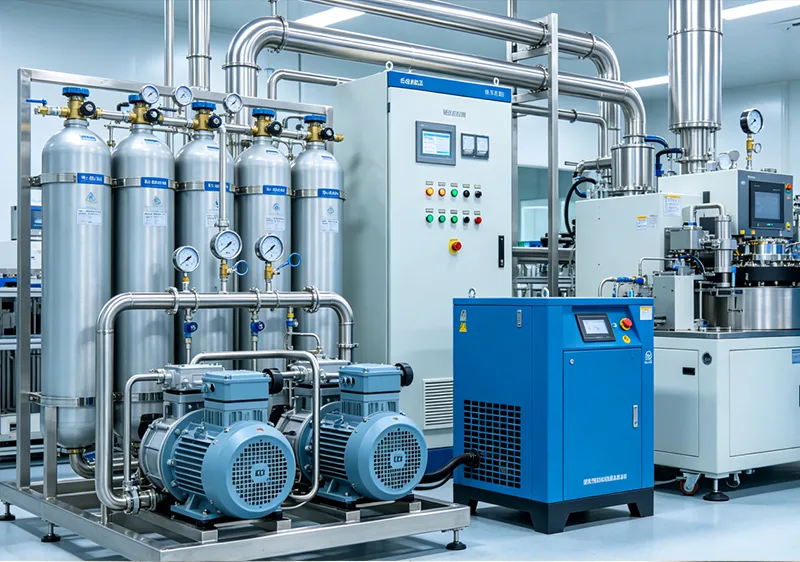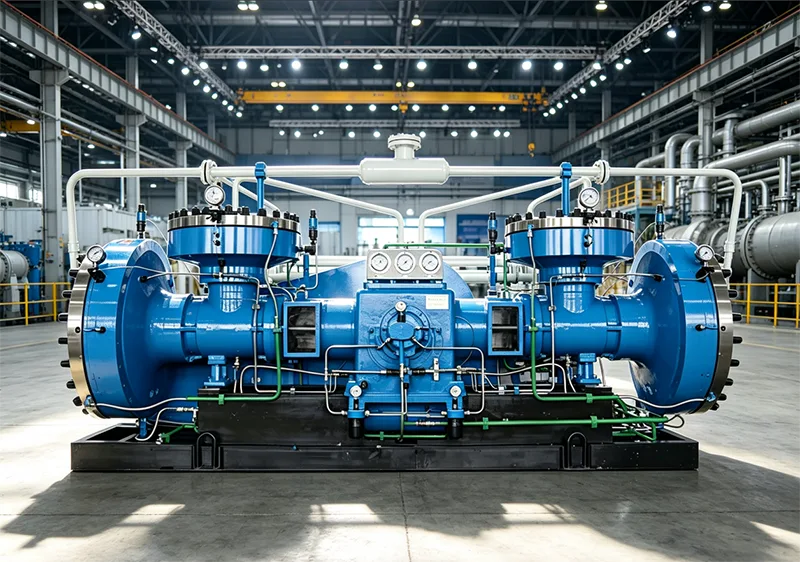
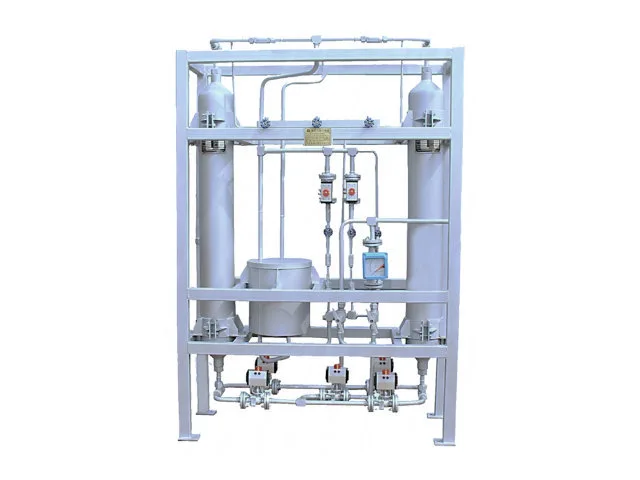
Built for high-pressure acetylene service, this Heatless Regenerative Acetylene High Pressure Dryer combines molecular sieve adsorption, regeneration, gas recovery, and automatic control in one process. During operation, moisture is removed from the acetylene by the molecular sieve. The regeneration process restores the adsorption capacity of the drying material so that the system can continue operating without regular replacement of the desiccant. Recovered gas can be separated through the water separation system, with the recovered acetylene returned to the gas holder. PLC control is used to automate the drying and regeneration cycle, reducing the need for manual intervention during normal operation.
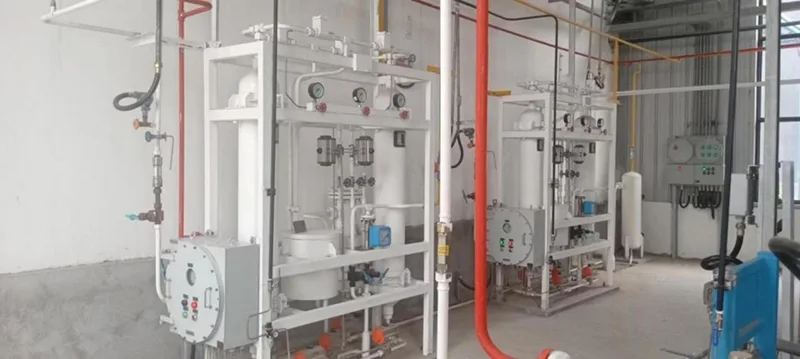
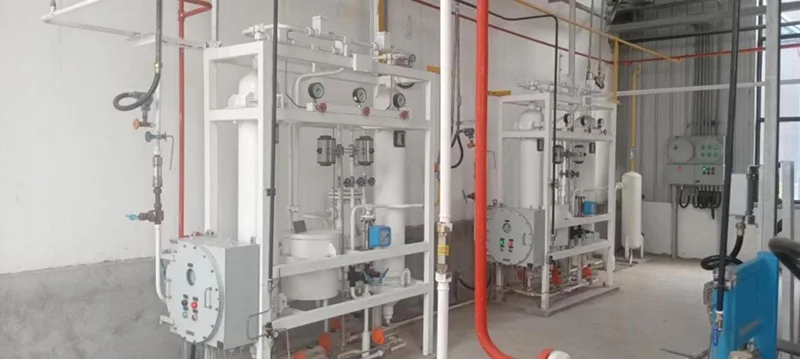
The drying system uses molecular sieve as the adsorbent. Instead of treating the drying material as a consumable that must be regularly replaced, the molecular sieve can be regenerated and returned to service. This reduces routine material handling and helps lower long-term operating costs.
The PLC control system manages the operating cycle of the dryer, including the drying and regeneration process. For acetylene plants operating continuously, this helps reduce manual switching and simplifies day-to-day equipment operation.
During the recovery process, the gas and separated moisture are handled through the water separation system. The recovered gas can be returned to the gas holder rather than simply discharged, helping reduce acetylene loss during dryer operation.
Because the molecular sieve is regenerated for repeated use, the system avoids the frequent desiccant replacement associated with traditional drying methods. This can reduce maintenance workload and the cost of replacement materials over time.
The Heatless Regenerative Acetylene High Pressure Dryer is designed without continuous exhaust emissions during normal regeneration and recovery operation. This supports a cleaner operating process and reduces unnecessary gas discharge.
Acetylene drying equipment operates as part of a larger gas handling system, so the pressure-bearing components and pipeline safety configuration are important considerations.
The adsorption vessels and related pipelines are designed according to the applicable acetylene decomposition limit pressure requirements. This provides a safety basis for the pressure-containing parts used in the drying process.
Safety components including check valves, shut-off valves, flame arresters, and safety valves can be arranged between individual equipment sections and pipelines. These devices help support controlled gas flow, isolation, backflow prevention, and pressure protection within the system.
The waste liquid is discharged without pressure, avoiding unnecessary pressurized discharge during operation. Together with automated PLC control, this reduces the number of manual operations required around the drying and regeneration process.
|
Comparison Item |
Heatless Regenerative Acetylene High Pressure Dryer |
Traditional Anhydrous Calcium Chloride Dryer |
|
Drying material |
Molecular sieve |
Calcium chloride desiccant |
|
Desiccant replacement |
Regenerated and reused during operation |
Requires regular replacement |
|
Operation |
PLC automatic drying and regeneration |
More dependent on material replacement and manual handling |
|
Gas recovery |
Recovered gas can be returned to the gas holder |
Process configuration may result in higher gas consumption |
|
Waste handling |
Non-pressure discharge |
Requires handling of consumed drying material and related waste |
|
Long-term operating cost |
Lower material consumption through regeneration |
Continuous desiccant consumption increases operating cost |
|
Labor requirement |
Automatic cycle reduces routine intervention |
More maintenance and replacement work may be required |
|
Environmental performance |
No continuous exhaust discharge during normal operation |
More frequent consumable replacement generates additional material handling |
Its primary function is to remove moisture from acetylene in high-pressure gas handling systems. The dryer is generally used before downstream processes where moisture control is important for equipment operation or gas handling requirements.
The molecular sieve is designed to be regenerated and reused. Under normal operating conditions, this avoids the frequent material replacement associated with traditional calcium chloride drying systems.
The system uses an automatic regeneration cycle to restore the adsorption capacity of the molecular sieve. PLC control manages the drying and regeneration process according to the equipment operating program.
The system includes gas recovery and water separation arrangements. Recovered gas can be sent back to the gas holder, helping reduce unnecessary acetylene loss during operation.
Depending on the equipment configuration, the system can include check valves, shut-off valves, flame arresters, and safety valves between equipment sections and pipelines to support the safe operation of the acetylene drying process.
Yes. The PLC control system is used to automate the drying and regeneration cycle, reducing the amount of manual operation required during normal equipment use.
For equipment selection and technical configuration, buyers should provide information such as acetylene flow rate, operating pressure, inlet gas condition, required drying performance, downstream process requirements, and other relevant project conditions.
Jinding manufactures industrial compressors and acetylene production equipment and can provide technical support covering equipment selection, engineering design, manufacturing, installation and commissioning, operation and maintenance training, remote support, on-site service, equipment maintenance, and spare parts supply according to project requirements.
Address
No. 21, Hengtong Road, Tongchi Town, Zhenxing District, Dandong City, Liaoning Province
Tel